Sewer Inspection for New Construction – Why Might It Be Necessary?

Sewer Inspection for New Construction – Why Might It Be Necessary?
When building a new home, there are countless details to manage—from the foundation and framing to electrical systems and plumbing. The sewer system may not be the most exciting part of the project, but it’s one of the most important for ensuring your home functions properly for years to come. A sewer inspection might seem unnecessary when everything is brand new, but in reality, it can be both a smart and cost-effective step. Here’s why a sewer inspection for new construction can be a wise investment.
What Is a Sewer Inspection?
A sewer inspection is a detailed examination of the property’s sewer lines, typically performed using a specialized camera that travels through the pipes. This allows professionals to check for defects, blockages, or improper connections that could cause problems later. Even in new construction, issues such as cracks, misaligned joints, or debris left behind during installation can occur.
For new homes, a sewer inspection serves as a quality check to confirm that the plumbing and drainage systems were installed correctly before the property is occupied. It’s a way to catch potential issues while they’re still easy—and inexpensive—to fix.
Læs også:
Why Is It Relevant for New Construction?
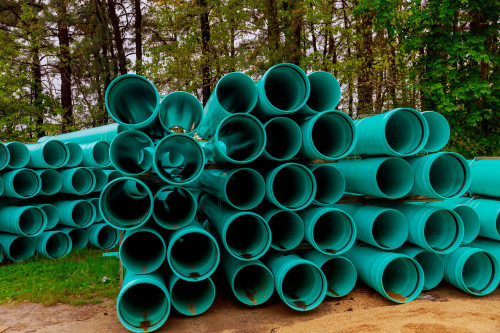
It’s easy to assume that a brand-new sewer system will be flawless, but that’s not always the case. Mistakes can happen during installation, or pipes can be damaged during the construction process. Heavy equipment, soil movement, or improper backfilling can all affect the integrity of the sewer lines before the home is even finished.
A sewer inspection can:
- Identify installation errors, such as misaligned joints, poor slope, or loose connections.
- Prevent future problems, including blockages, leaks, or foundation moisture issues.
- Provide documentation of the system’s condition, which can be valuable for warranties, insurance, or future resale.
In short, a sewer inspection is a small upfront cost that can prevent major expenses and headaches down the road.
When Should the Inspection Be Done?
The best time to perform a sewer inspection is before the lines are buried and before the final walkthrough of the home. At that stage, any issues can be corrected without having to dig up the yard or driveway later. Some homeowners also choose to schedule a follow-up inspection a year or two after moving in—especially if they notice slow drains or unusual odors. This provides peace of mind that everything is still functioning as it should.
Who Should Perform the Inspection?
Sewer inspections should always be carried out by a licensed plumber or certified sewer contractor. These professionals have the proper equipment and expertise to evaluate the system and ensure it meets local building codes. They can also provide a detailed report with video footage and recommendations, which serves as valuable documentation if any disputes or warranty claims arise later.
Part of a Comprehensive Quality Check
New construction involves multiple inspections and approvals, but the sewer system is often overlooked because it’s hidden underground. Including a sewer inspection as part of your overall quality assurance process ensures that your new home isn’t just beautiful on the surface but also technically sound beneath it.
It’s similar to inspecting electrical or HVAC systems—you may not see them every day, but they’re essential to your home’s comfort and safety.
Peace of Mind in Your New Home
Building a new home is a major investment, and no one wants to face unexpected plumbing issues after moving in. A sewer inspection provides reassurance that everything below ground is in proper working order. It’s a simple step that can help you start life in your new home with confidence, knowing that your sewer system is built to last.
Læs også: