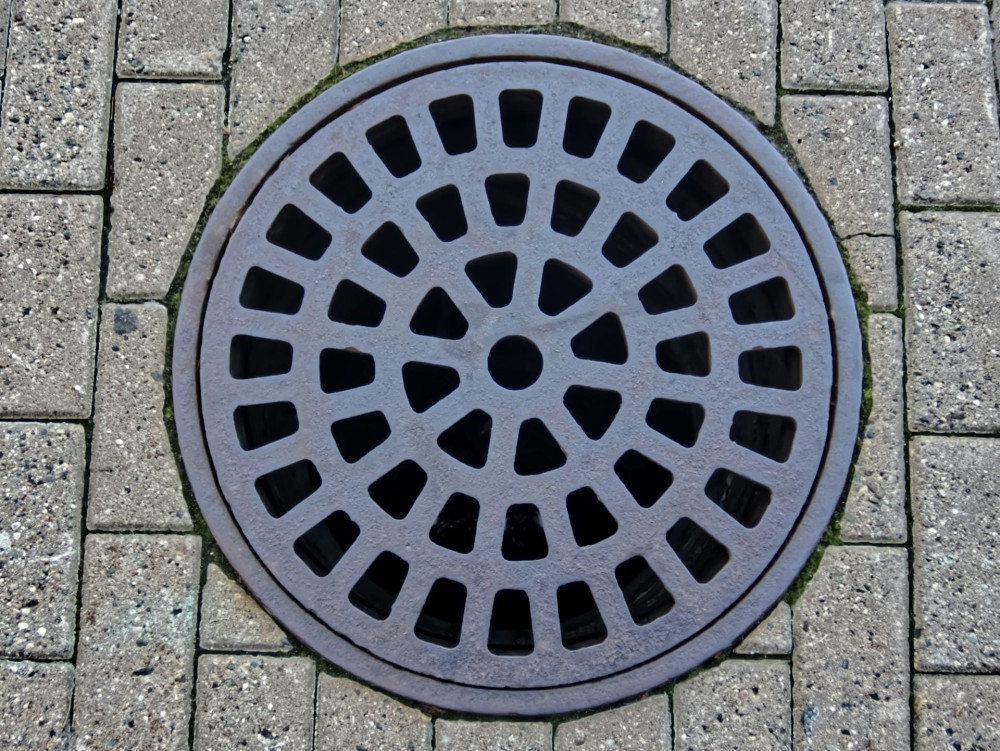
Drainage and Water Balance – How to Keep Your Garden Healthy

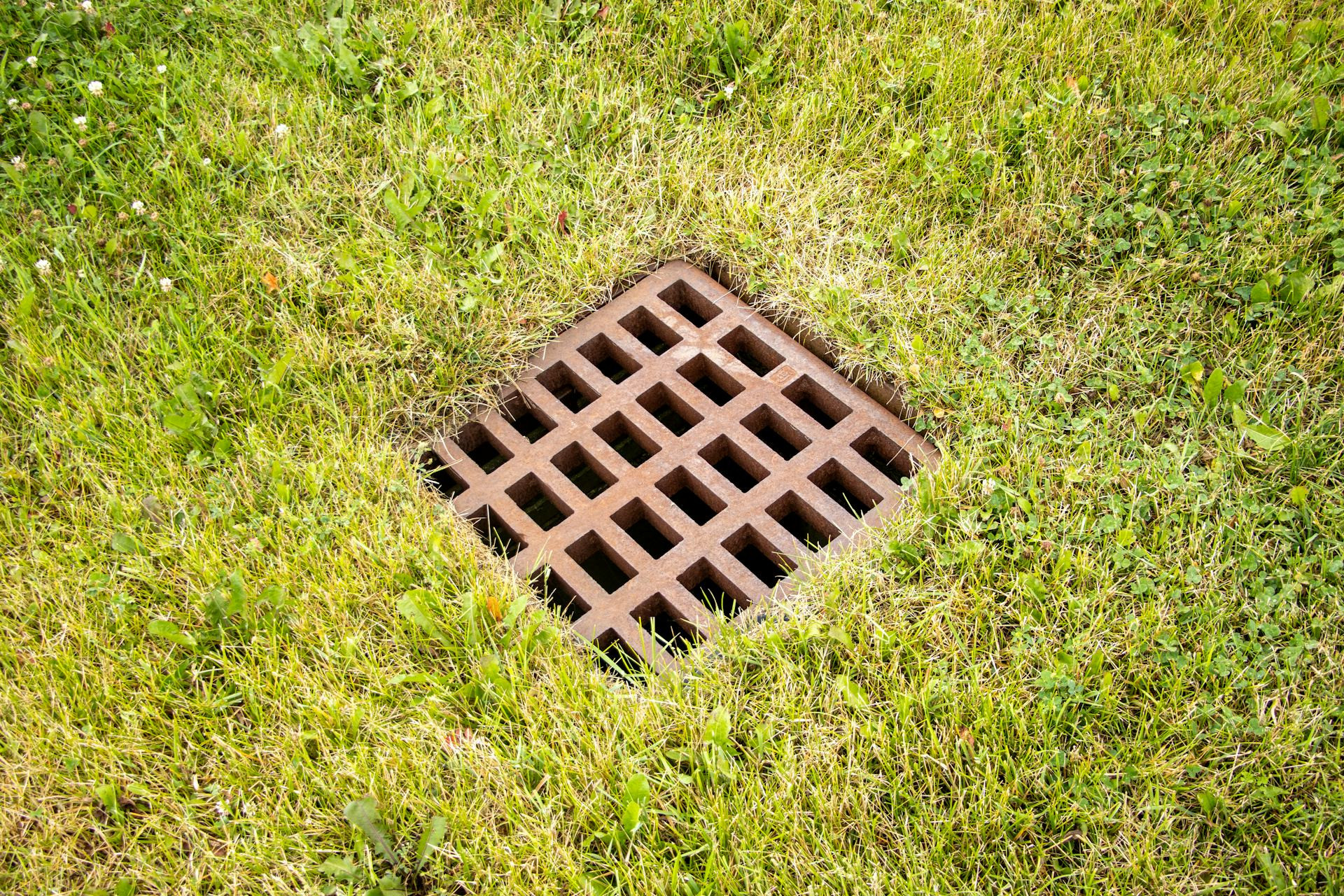
Drainage and Water Balance – How to Keep Your Garden Healthy
A well-designed drainage system can make the difference between a thriving garden and a soggy, struggling yard. But drainage isn’t just about getting rid of water—it’s about maintaining the right water balance in your soil. Too much water can suffocate roots, while too little can dry them out and stress your plants. Here’s how to understand, maintain, and improve your garden’s drainage so your plants stay healthy and your landscape remains resilient.
Why Drainage Matters
In many parts of the United States, heavy rain, clay soils, and compacted ground can cause water to pool or linger for days. Poor drainage can lead to several problems:
- Root damage – waterlogged soil deprives roots of oxygen.
- Fungal diseases – excess moisture encourages root rot and mildew.
- Lawn issues – standing water promotes moss and weeds instead of grass.
- Structural damage – water that doesn’t drain away can seep into foundations or basements.
Good drainage helps move excess water away from where it causes harm—but it should be done thoughtfully, so you don’t strip the soil of the moisture your plants need.
Finding the Right Water Balance
Over-draining is just as harmful as poor drainage. When soil becomes too dry, beneficial microorganisms die off, and plants struggle to absorb nutrients. The goal is balance: soil that can absorb rainfall but also release excess water efficiently.
A few key principles:
- Don’t rush to install drains if your yard only floods briefly after heavy rain—some puddling is natural.
- Consider your soil type: sandy soils drain quickly, while clay soils hold water longer.
- Combine drainage with water-retaining features like rain gardens or dry wells, so water stays in your landscape instead of running off.
How to Tell if Your Yard Needs Better Drainage
Before you start digging, test whether your garden truly needs a drainage system:
- Dig a test hole about 18–24 inches deep and fill it with water. If it hasn’t drained after 24 hours, your soil is poorly drained.
- Observe after rainfall – if puddles remain for more than two days, you may have a drainage issue.
- Inspect your home’s foundation – damp walls or musty smells in the basement can indicate poor surface drainage.
If you’re unsure, consult a landscape professional. An improperly installed drain can make problems worse.
Common Drainage Solutions
Different soils and landscapes call for different drainage methods:
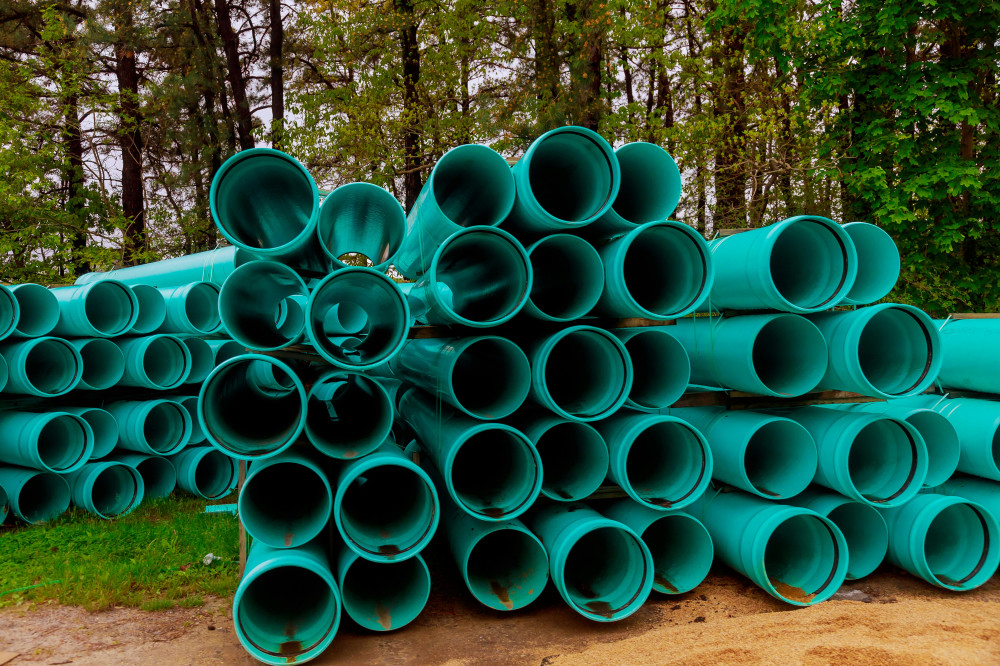
- French drains – perforated pipes buried in gravel trenches that redirect water away from problem areas.
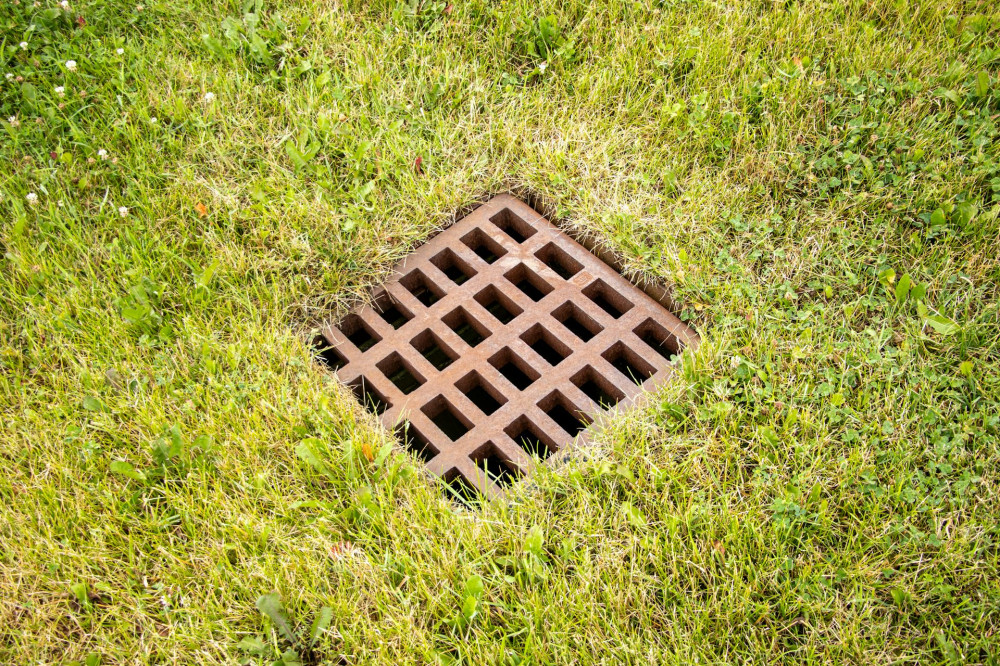
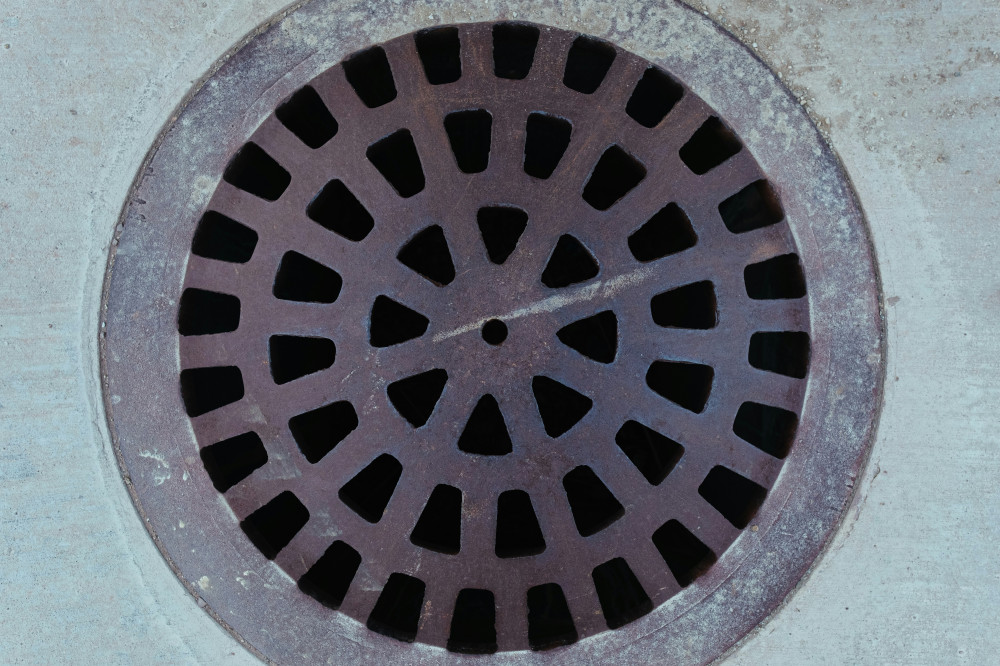
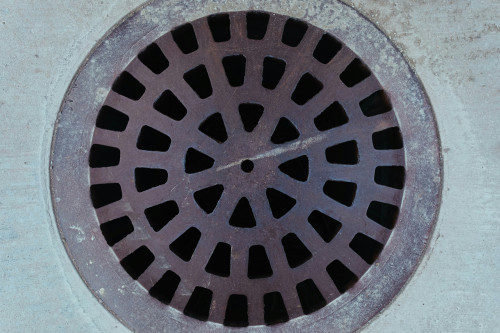
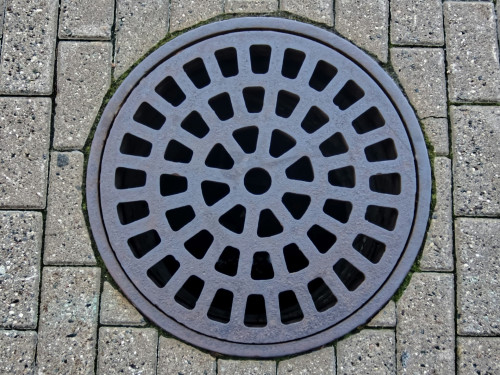
- Surface drains – shallow channels or grates that collect runoff from patios, driveways, or low spots.
- Rain gardens – shallow, planted depressions that capture and filter rainwater naturally.
- Dry wells – underground chambers that collect runoff and allow it to slowly soak into the ground.
Rain gardens and dry wells are especially good options if you want to manage water sustainably and keep it on your property.
Læs også:
Maintaining Your Drainage System
Even the best drainage system needs regular care to stay effective. Over time, soil, leaves, and roots can clog pipes or block outlets.
- Clean catch basins and drain inlets at least once a year.
- Check that water flows freely from outlets after heavy rain.
- Avoid planting trees with aggressive roots near drain lines.
- If water stops draining properly, you may need to flush or replace sections of pipe.
Environmental Considerations and Local Regulations
Changing how water flows on your property can affect your neighbors and local waterways. Many municipalities have rules about where you can direct runoff, especially if it connects to storm drains or streams. Always check local codes before installing a drainage system.
Also, think sustainably: rainwater is a valuable resource. By combining drainage with eco-friendly solutions—like permeable pavers, rain barrels, and native plantings—you can reduce runoff, recharge groundwater, and support local ecosystems.
A Healthy Garden Starts Below the Surface
Good drainage isn’t just about avoiding puddles—it’s about creating the right conditions for life in your soil. When moisture levels are balanced, plants, insects, and microorganisms all thrive. That means a stronger, more resilient garden that can handle both droughts and downpours.
Before you grab a shovel, take a step back and look at the bigger picture: where does the water come from, where does it go, and how can you make it work for your garden? The best solution isn’t to remove all the water—but to help your garden live in harmony with it.
Læs også: