Establish a Routine for Regular Sewer Inspections

Establish a Routine for Regular Sewer Inspections
The sewer system beneath your home is one of those things you rarely think about—until something goes wrong. But a clogged or damaged sewer line can quickly lead to unpleasant odors, water damage, or even basement flooding. Establishing a routine for regular sewer inspections can help you prevent costly repairs and keep your plumbing system running smoothly. With a few simple habits and scheduled checkups, you can protect your home and your wallet.
Why Regular Inspections Matter
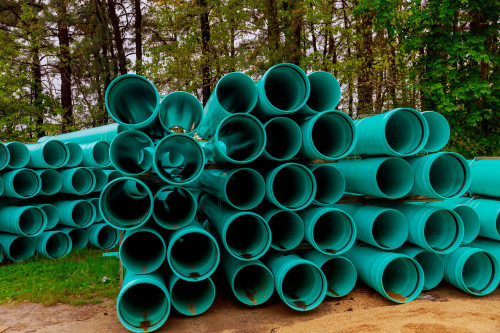
Your home’s sewer system plays a vital role in carrying wastewater safely away. Over time, tree roots, grease, debris, and sediment can build up inside the pipes, causing blockages or leaks. Older homes, in particular, may have aging pipes that are more prone to cracks or corrosion.
By inspecting your sewer lines regularly, you can catch small issues before they turn into major problems. Preventive maintenance is almost always cheaper—and less stressful—than emergency repairs after a backup or flood.
Create a Maintenance Plan
A good routine starts with a plan. You don’t need to inspect your sewer lines every month, but scheduling a professional inspection every one to two years is a smart rule of thumb. If your home is older or surrounded by large trees, you may want to check more often.
- Spring and fall are ideal times for inspections. After winter, freezing and thawing can affect underground pipes, and in the fall, leaves and roots can cause blockages.
- Set reminders in your calendar so inspections don’t get overlooked.
- Keep a record of each inspection and any issues found. This helps track changes over time and can be useful if you ever sell your home.
Signs Your Sewer May Need Attention
Even with a regular schedule, it’s important to stay alert for warning signs that your sewer system might need an extra check:
- Drains empty more slowly than usual.
- You hear gurgling sounds from sinks, tubs, or toilets.
- There’s a persistent sewer odor inside or around your home.
- You notice damp spots, mold, or water stains in the basement.
- You see signs of rodents or insects near sewer access points.
These symptoms don’t always mean a major problem, but they’re worth investigating before they escalate.
Simple Checks You Can Do Yourself
While professional inspections are essential, there are a few things homeowners can do to keep an eye on their system:
- Inspect cleanouts and access points – Remove the cap and look for standing water or debris buildup.
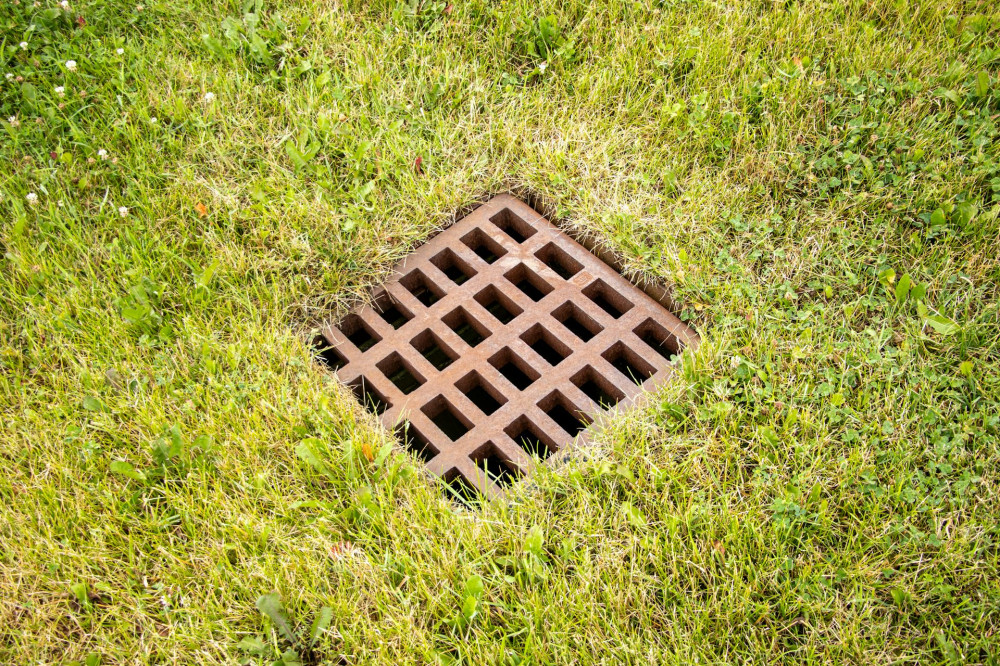
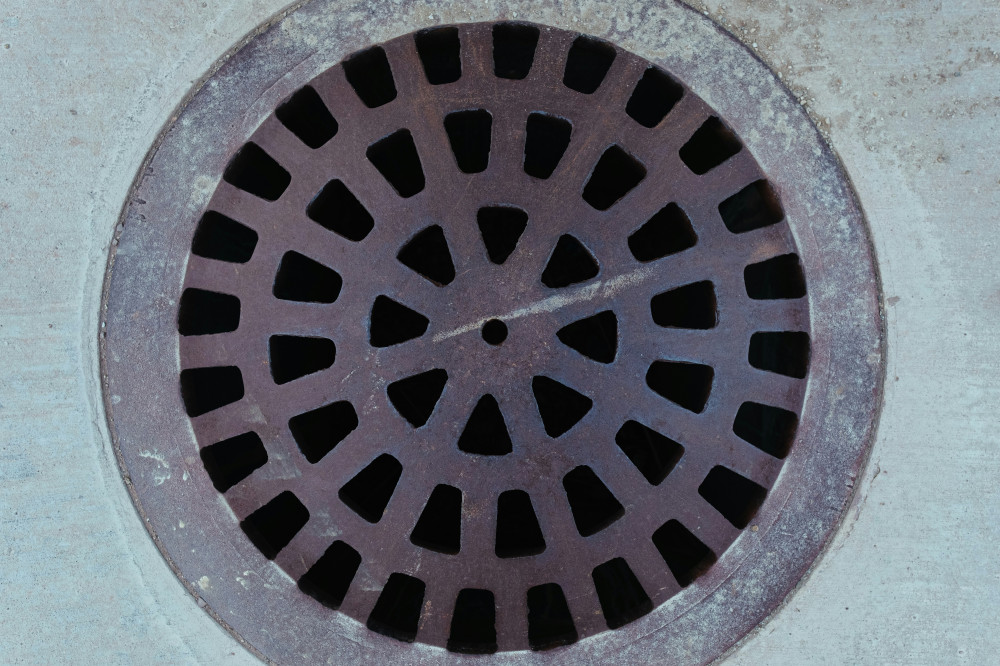
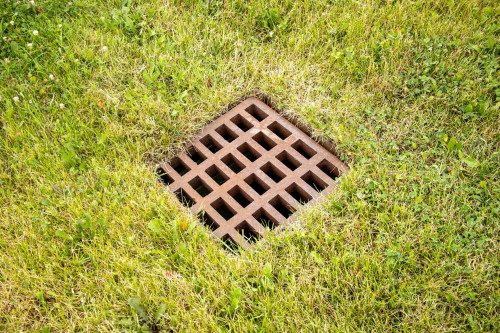
- Keep storm drains clear – Remove leaves, dirt, and trash so rainwater can flow freely.
- Avoid pouring grease or oil down the drain – These substances harden inside pipes and cause blockages.
- Use drain strainers – They catch hair and small debris before they enter the plumbing.
If you notice anything unusual—such as standing water, foul smells, or visible damage—it’s time to call a professional plumber.
Læs også:
Schedule Professional Inspections
Even if everything seems fine, it’s wise to have a licensed plumber perform a detailed inspection every few years. A professional can:
- Conduct a video camera inspection to check for cracks, root intrusion, or misaligned pipes.
- Hydro jet the sewer line to remove grease, sludge, and buildup.
- Assess the condition of your pipes and recommend repairs or replacements if needed.
While professional services come with a cost, they can prevent far more expensive damage down the road.
Make Sewer Maintenance Part of Your Home Routine
Just like cleaning gutters, servicing your HVAC system, or checking your roof, sewer maintenance should be part of your regular home care routine. It doesn’t take much time—just consistency. Once you establish a schedule, it becomes a simple habit that protects your home year after year.
By taking proactive steps to maintain your sewer system, you’re not only ensuring reliable drainage—you’re also safeguarding your property from water damage, unpleasant odors, and unexpected repair bills.
Læs også: