Rainwater Harvesting – How to Reduce Your Use of Drinking Water

Rainwater Harvesting – How to Reduce Your Use of Drinking Water
Rainwater is a free and renewable resource that often goes to waste. In many parts of the United States, rainfall can be collected and reused for everyday tasks that don’t require treated drinking water. By harvesting rainwater, you can lower your water bills, reduce pressure on municipal systems, and make your home more sustainable. Here’s a guide to help you get started.
Why Harvest Rainwater?
Clean drinking water is a valuable resource that requires energy and infrastructure to treat and deliver. Yet, much of the water we use every day doesn’t need to be potable — watering the garden, washing the car, or flushing toilets are all tasks that can be done with rainwater. By using rainwater for these purposes, you can cut your household’s use of drinking water by up to 30–40 percent.
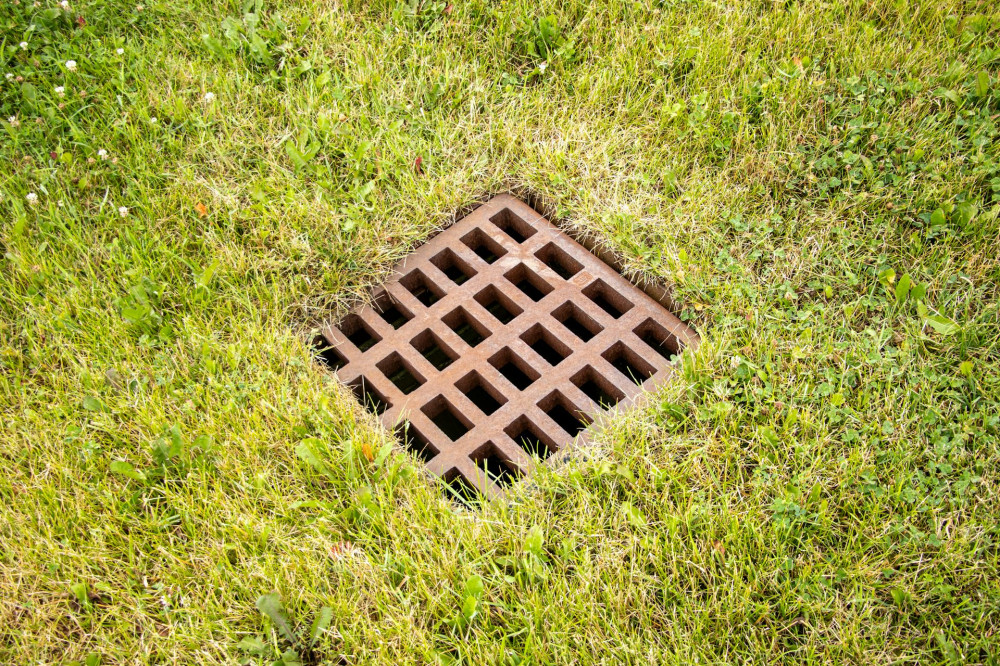
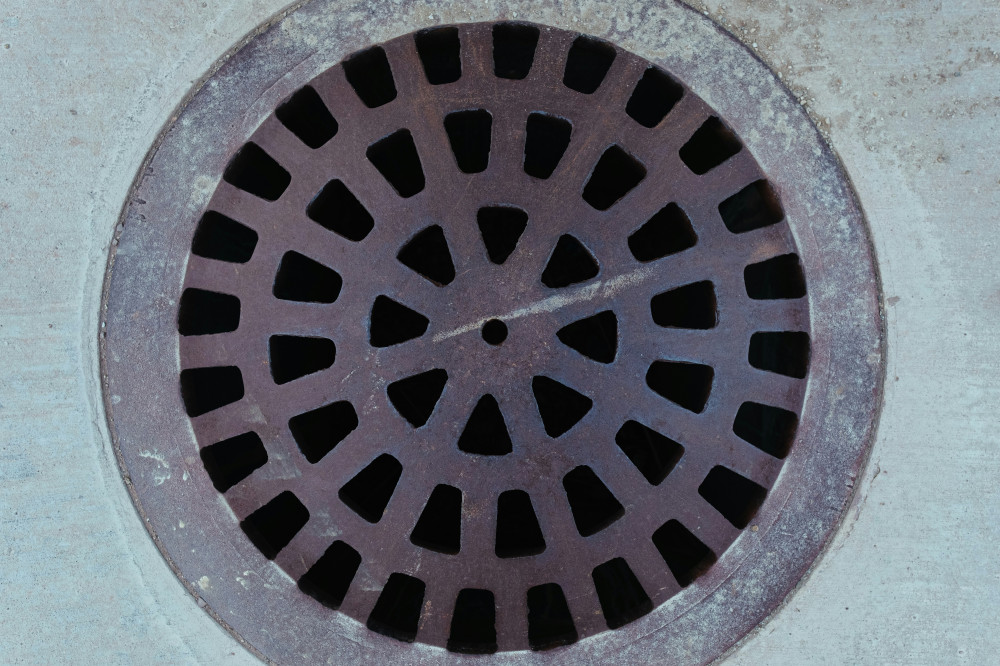
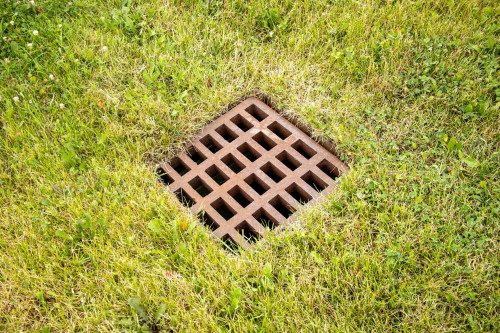
Rainwater harvesting also helps manage stormwater runoff. Instead of sending rain straight into storm drains, collecting it in a tank or barrel reduces flooding risks and eases the burden on local drainage systems — an important benefit in areas prone to heavy rain or drought cycles.
How a Rainwater Harvesting System Works
A rainwater harvesting system collects water from your roof through gutters and downspouts. The water passes through a filter that removes leaves and debris before flowing into a storage tank or barrel. From there, it can be used for outdoor or indoor applications, depending on your setup.
There are two main types of systems:
- Simple collection for outdoor use – A rain barrel or above-ground tank that stores water for manual use, such as watering plants or washing vehicles.
- Integrated household systems – A more advanced setup that pumps filtered rainwater to toilets, laundry machines, or outdoor faucets. These systems require professional installation and must be kept separate from the household drinking water supply.
Before installing a system that connects to indoor plumbing, check local building codes and health regulations. Some states and municipalities have specific guidelines or permit requirements for rainwater use.
What Can You Use Rainwater For?
Rainwater isn’t safe for drinking or cooking without proper treatment, but it’s ideal for many other uses:
- Garden and lawn irrigation – Plants often prefer rainwater because it’s naturally soft and free of chlorine.
- Car washing – Rainwater leaves fewer mineral spots than tap water.
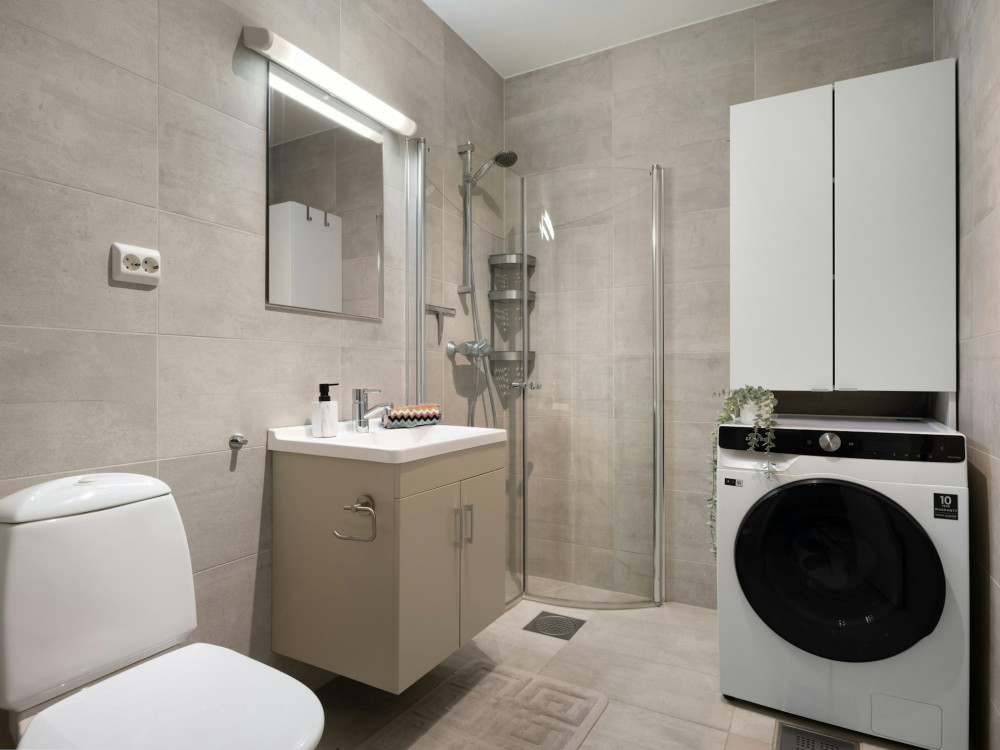
- Toilet flushing – One of the largest sources of indoor water use can be supplied with harvested rainwater.
- Laundry – With the right filtration and plumbing, rainwater can be used in washing machines, reducing detergent use and mineral buildup.
Avoid using untreated rainwater for drinking, bathing, or cleaning kitchen surfaces.
Getting Started
- Assess your roof and gutters – Roof material affects water quality. Metal, tile, and asphalt shingles are generally suitable, while roofs treated with chemicals or made of copper should be avoided.
- Choose the right storage – A 50–100 gallon rain barrel is great for small gardens, while a full home system may need a tank of 500–2,000 gallons or more.
- Install filters and overflow protection – Filters keep debris out, and an overflow outlet ensures excess water drains safely during heavy rain.
- Pick a good location – Place barrels on a stable, level surface near a downspout. If you live in a cold climate, consider a system that can be drained or disconnected in winter.
- Maintain your system – Clean filters regularly, check for leaks, and empty the tank once a year to remove sediment.
Læs også:
Cost and Environmental Benefits
A basic rain barrel setup can cost under $200, while a professionally installed system for indoor use may range from $2,000 to $10,000 depending on size and complexity. Over time, the savings on your water bill can offset part of the investment, especially in areas with high water rates or seasonal restrictions.
Beyond the financial benefits, rainwater harvesting helps conserve groundwater and reduces demand on municipal supplies. It also lessens stormwater runoff, which can carry pollutants into rivers and lakes. In drought-prone regions, every gallon saved makes a difference.
Make It Part of Your Sustainable Lifestyle
Collecting rainwater is a simple, practical way to live more sustainably. It takes a bit of planning and maintenance, but the rewards are both environmental and economic. Start small with a single rain barrel, and expand your system as you see the benefits.
Once you experience how easy it is to use nature’s own water, you’ll find it becomes a natural part of your daily routine — and a meaningful step toward a more resource-conscious home.
Læs også: