Roofing Through the Ages – From Tar to Modern Bitumen Solutions

Roofing Through the Ages – From Tar to Modern Bitumen Solutions
For more than a century, roofing materials based on tar and bitumen have played a key role in American construction. From the early days of tarred paper on barns and sheds to today’s high‑performance bitumen membranes on commercial buildings and modern homes, the technology has evolved dramatically. What began as a simple, low‑cost solution has become a durable, flexible, and design‑friendly material suited to a wide range of climates and architectural styles. Let’s take a closer look at how roofing membranes have developed—and why they remain a trusted choice across the United States.
The Early Years – Tar and Simple Materials
In the late 1800s, American builders began using tar paper as a practical way to waterproof roofs. The material consisted of paper or felt saturated with pine tar or coal tar, creating a barrier against rain and snow. It was inexpensive and easy to install, making it popular for outbuildings, farm structures, and early industrial facilities.
However, these early tar roofs had clear drawbacks. Tar became brittle over time, especially under the intense summer sun or freezing winter temperatures. Cracks and leaks were common, and maintenance was frequent. Despite these limitations, tar paper laid the foundation for the modern roofing membranes we know today.
The Shift to Bitumen – A Technological Leap
By the mid‑20th century, the roofing industry began replacing tar with bitumen, a petroleum‑based material that offered far greater stability and flexibility. Bitumen could withstand both heat and cold without cracking, making it ideal for the wide range of weather conditions found across the U.S.—from humid Gulf Coast summers to frigid northern winters.
At the same time, the reinforcement layers improved. Instead of simple paper, manufacturers began using fiberglass mats and later polyester reinforcements, which provided superior strength and dimensional stability. This combination of bitumen and advanced reinforcement transformed roofing membranes into a serious alternative to shingles, tiles, and metal roofing—especially for flat or low‑slope roofs on commercial and institutional buildings.
Modern Bitumen Roofing – Performance and Design Freedom
Today’s bitumen roofing systems are highly engineered products. Most consist of two layers—a base sheet and a cap sheet—applied with heat welding, cold adhesives, or self‑adhering technology. The result is a watertight, elastic, and long‑lasting roof that can perform for 30 years or more with proper care.
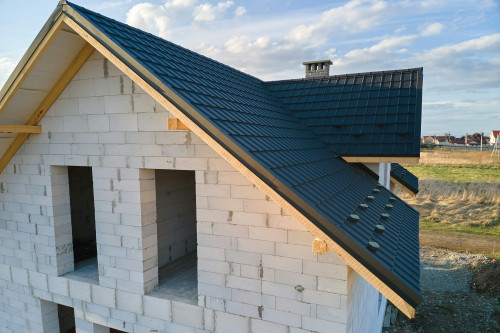
Modern bitumen membranes are not limited to flat roofs. Architects and builders increasingly use them on sloped or curved surfaces, where their flexibility allows for creative designs and seamless detailing. From minimalist urban homes to large‑scale green roofs, bitumen systems offer both performance and aesthetic versatility.
Læs også:
Sustainability and Environmental Considerations
As sustainability becomes a central focus in American construction, bitumen roofing has evolved to meet new environmental standards. Many manufacturers now incorporate recycled materials, reduce energy consumption in production, and design membranes that can be part of circular building processes.
Bitumen roofs also serve as excellent bases for green roofing systems and solar installations. Vegetated roofs help manage stormwater, improve insulation, and support urban biodiversity, while reflective or “cool roof” coatings reduce heat absorption and lower energy costs. These innovations make bitumen roofing a key player in the movement toward more sustainable building practices.
Maintenance and Longevity
A modern bitumen roof requires relatively little maintenance, but regular inspection remains essential. Debris, leaves, and standing water should be removed, and seams or flashings should be checked for wear. With professional installation and periodic upkeep, a bitumen roof can last for decades—often exceeding its expected service life.
From Humble Beginnings to High‑Performance Roofing
The story of bitumen roofing is one of continuous improvement. What started as simple tarred paper has evolved into a sophisticated, high‑performance system that meets the demands of modern architecture and sustainability. From early barns and factories to today’s energy‑efficient buildings, bitumen roofing continues to prove its worth—combining tradition, innovation, and reliability for the roofs of the future.
Læs også: