Green Roofs for Small Buildings – A Beautiful and Sustainable Solution

Green Roofs for Small Buildings – A Beautiful and Sustainable Solution
A green roof is no longer just for sleek office buildings or high-end eco-homes. More and more homeowners across the United States are choosing to install green roofs on small structures like garages, sheds, bike shelters, and garden studios. These living roofs don’t just look beautiful—they also help the environment, improve building performance, and bring a touch of nature closer to home. Here’s why green roofs are worth considering and how you can get started.
What Is a Green Roof?
A green roof—sometimes called a living roof or sedum roof—is a layer of vegetation planted over a waterproof membrane. Beneath the plants are layers for drainage, filtration, and root protection. The most common plants used are hardy succulents such as sedum, which thrive in dry, sunny conditions and require little maintenance.
There are two main types of green roofs: extensive and intensive. Extensive roofs are lightweight and low-maintenance, while intensive roofs are deeper and can support a wider variety of plants, even small shrubs or grasses. For small buildings, extensive green roofs are usually the best choice.
Benefits for the Environment and Your Building
A green roof offers much more than visual appeal. It provides a range of environmental and practical advantages:
- Improved stormwater management – The plants and soil absorb rainwater, reducing runoff and easing pressure on storm drains. This is especially valuable in cities where heavy rainfall can overwhelm drainage systems.
- Energy efficiency – Green roofs help insulate buildings. They keep interiors cooler in summer and reduce heat loss in winter, lowering energy bills.
- Longer roof lifespan – The vegetation layer protects the roofing membrane from UV rays and temperature fluctuations, extending the life of the roof.
- Support for biodiversity – Even a small green roof can provide habitat for pollinators like bees and butterflies, as well as birds and beneficial insects.
- Aesthetic harmony – A green roof blends small buildings naturally into gardens and landscapes, creating a more cohesive and calming outdoor space.
How to Install a Green Roof on a Small Building
Installing a green roof on a shed or garage is often simpler than you might think. Here are the key steps:
- Check the roof’s load capacity – A green roof adds weight, especially when wet. Make sure the structure can safely support it.
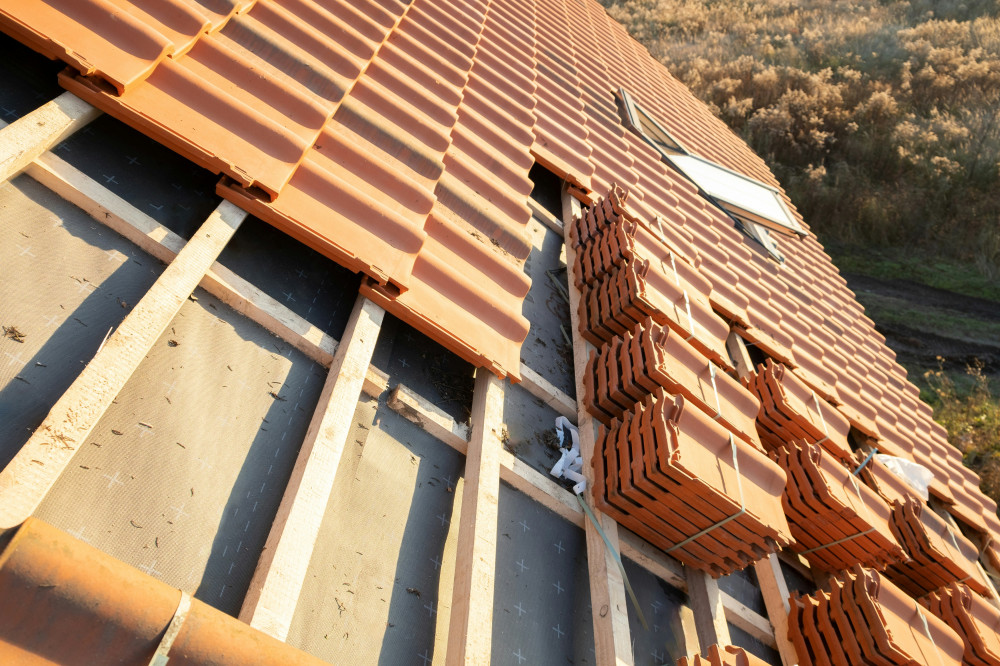
- Install a waterproof membrane – This layer protects the building from moisture. Many homeowners use a roofing membrane specifically designed for green roofs.
- Add drainage and filter layers – These ensure excess water can flow away and prevent soil from washing out.
- Spread the growing medium – A lightweight soil mix that provides nutrients and retains moisture.
- Plant sedum or other suitable species – You can buy pre-grown sedum mats that roll out like sod, or plant individual plugs yourself.
If you’re unsure about the structural requirements, it’s wise to consult a roofing professional or structural engineer before starting.
Maintenance – Easier Than You Think
Green roofs require surprisingly little upkeep. During the first few months, the plants need occasional watering until they’re established. After that, they’re largely self-sustaining.
Once or twice a year, remove any weeds and check that drains and gutters are clear. If bare patches appear, simply replant with new sedum plugs or mats.
What Does It Cost?
Costs vary depending on size, materials, and design. For small buildings, prices typically range from $30 to $70 per square foot, including materials. While that’s more than a traditional asphalt roof, the investment pays off through longer lifespan, energy savings, and environmental benefits.
Some U.S. cities and states offer incentives or rebates for green roofs, particularly in areas where they help manage stormwater. Check with your local government or utility provider to see if programs are available in your area.
Læs også:
A Small Step with a Big Impact
Even a modest green roof can make a meaningful difference. It helps manage rainwater, supports local wildlife, and adds a touch of natural beauty to your property. For many homeowners, it’s also a way to bring a bit of nature closer—whether in a suburban backyard or an urban neighborhood.
A green roof on your garage or garden shed isn’t just a design choice; it’s a small but powerful step toward a more sustainable and harmonious way of living.
Læs også: