Create Harmony Between Roof, Facade, and Surroundings

Create Harmony Between Roof, Facade, and Surroundings
A home is more than walls and a roof – it’s a complete composition that should feel naturally connected to its surroundings. When the roof, facade, and landscape work together, they create a visual and functional balance that enhances both beauty and value. But how do you achieve that sense of harmony that makes a house feel grounded rather than out of place? Here’s how to think holistically when choosing materials, colors, and design elements.
Start with the Setting
Before selecting shingles or siding, take a close look at the environment your home will sit in. Is it a suburban neighborhood with similar rooflines and color palettes, a rural property surrounded by nature, or an urban area with historic architecture? The setting provides the framework for what will feel natural and cohesive.
A home in a wooded or rural area often looks best with natural materials like wood, stone, or clay, while a city home may suit a more streamlined, modern aesthetic. The goal isn’t to copy your neighbors but to create balance – a home that stands out gracefully without clashing with its environment.
The Roof: The Fifth Facade
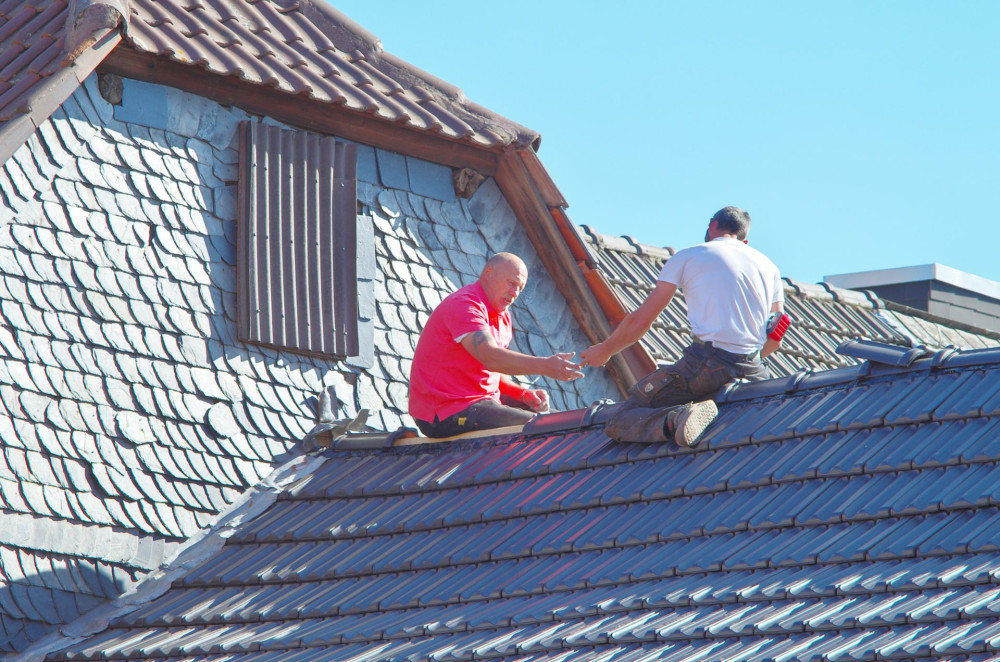
The roof makes up a large portion of a home’s overall appearance, especially when viewed from a distance. Its color, shape, and material should complement the facade. A dark roof can add depth and stability, while a lighter one feels airy and contemporary.
- Asphalt shingles are a versatile and cost-effective choice that works with many architectural styles.
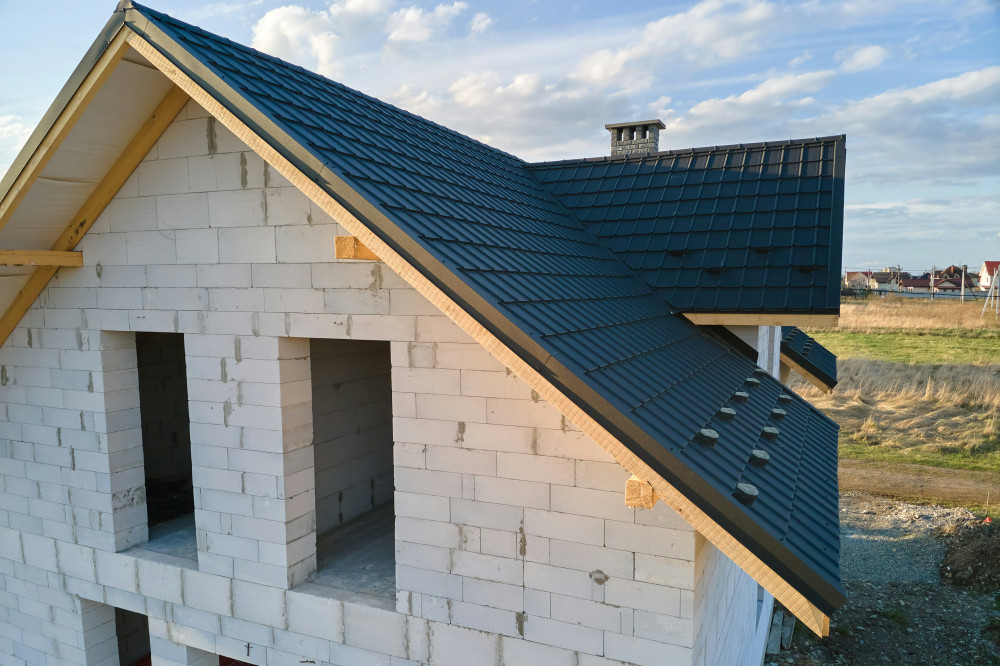
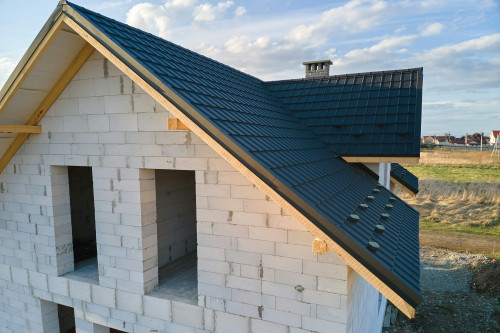
- Metal roofing offers durability and a sleek, modern look, ideal for both rural and urban homes.
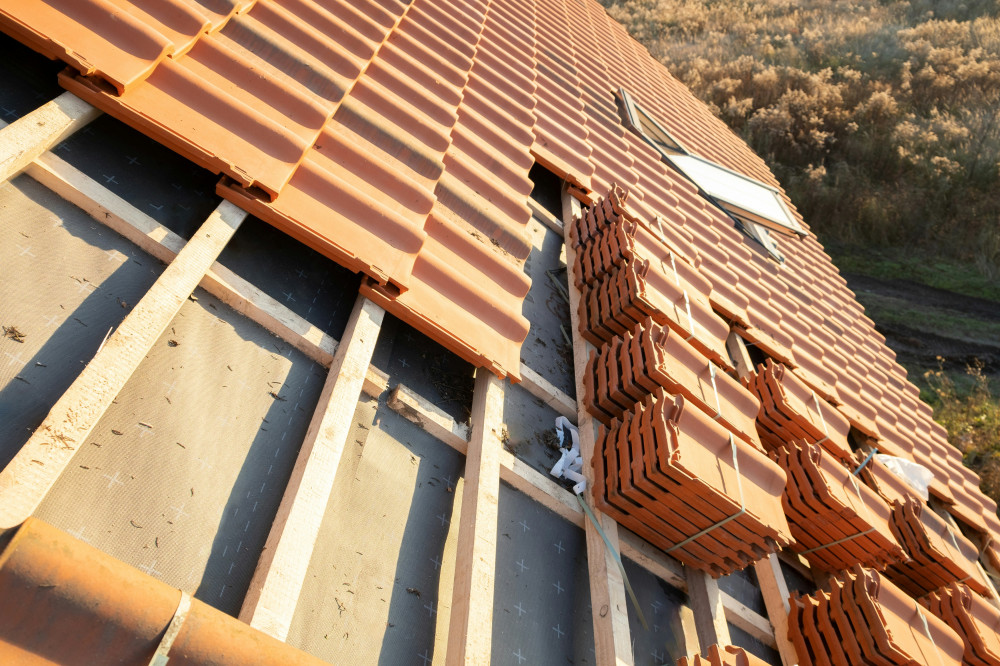
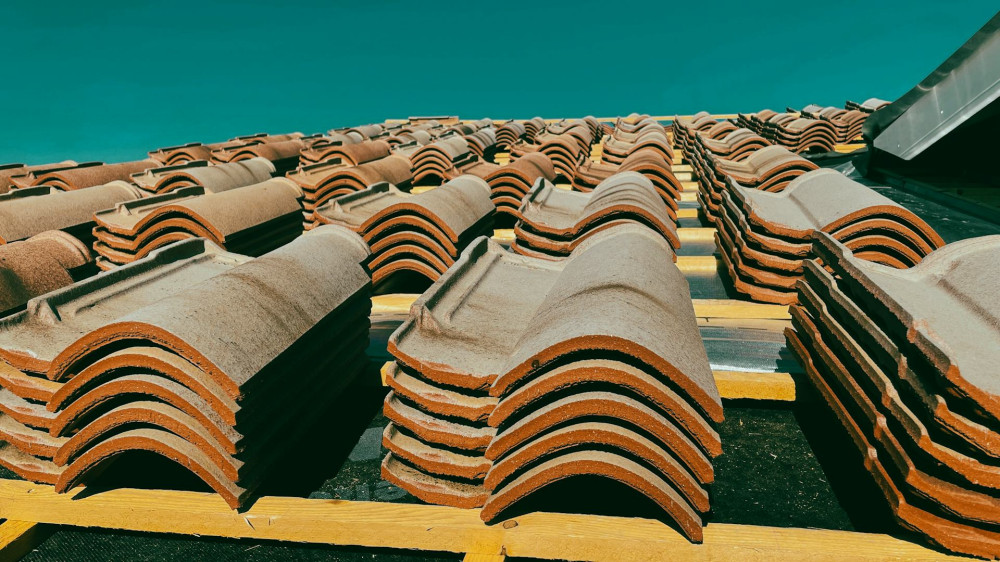
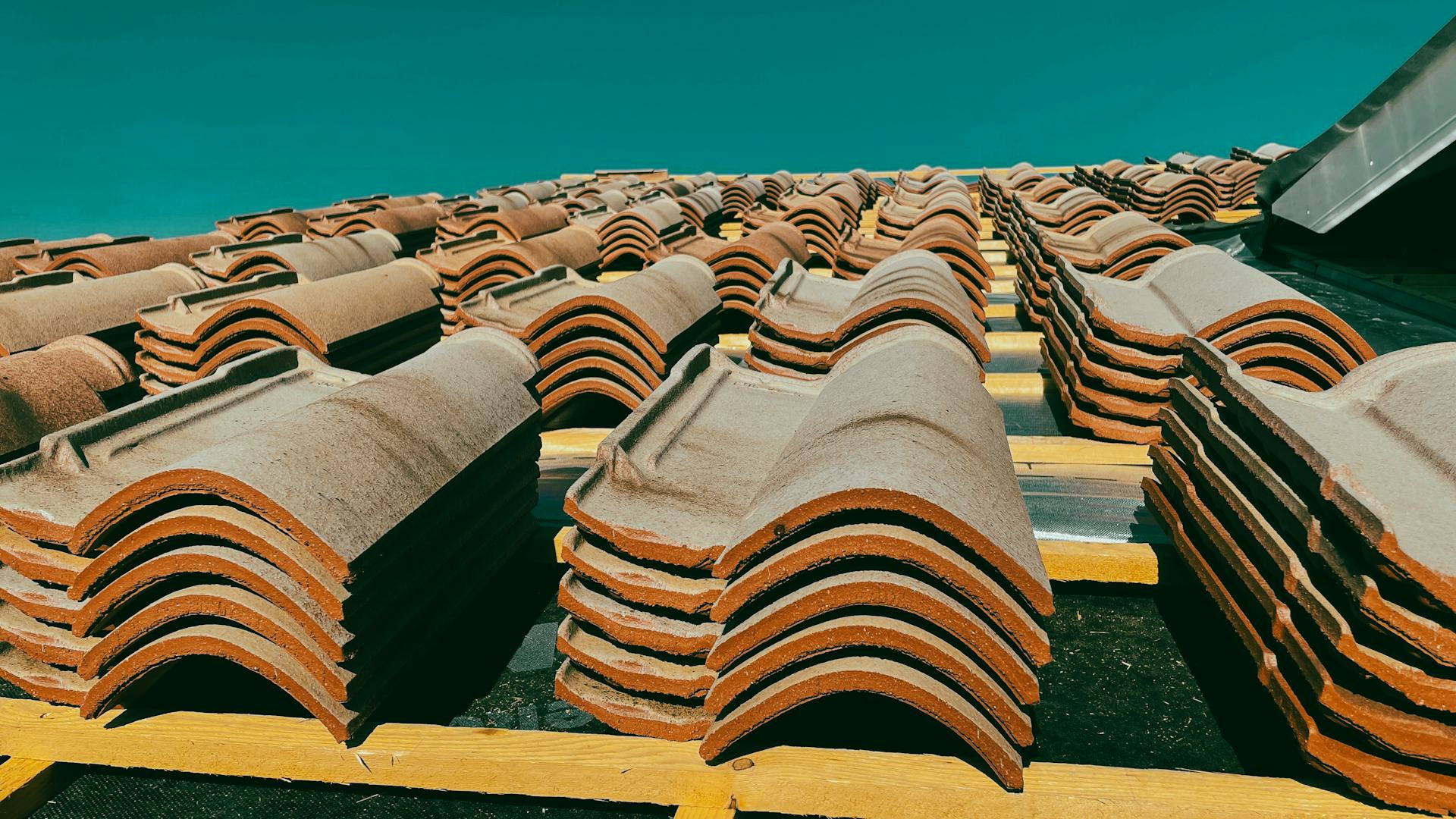
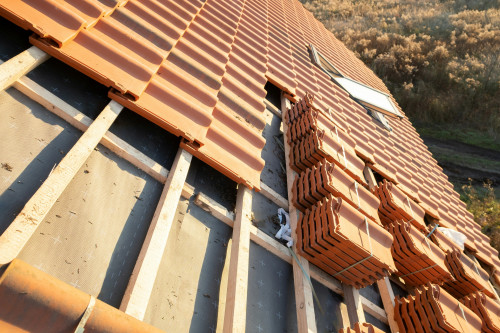
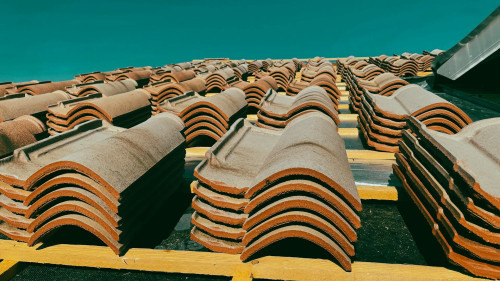
- Clay or concrete tiles bring timeless character and are well-suited to warmer climates.
- Green or living roofs blend beautifully into natural surroundings and support sustainability goals.
Roof pitch also affects the home’s proportions and light. A low slope gives a modern, understated look, while a steep roofline feels more traditional and dynamic.
Læs også:
The Facade: The Home’s Expression
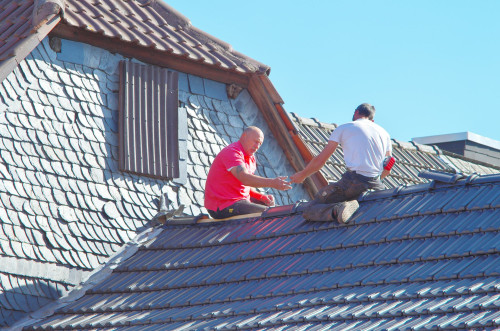
The facade is the face your home shows to the world. It must protect against the elements while expressing a style that harmonizes with the roof. Mixing materials can add depth and interest, but too many contrasts can feel chaotic.
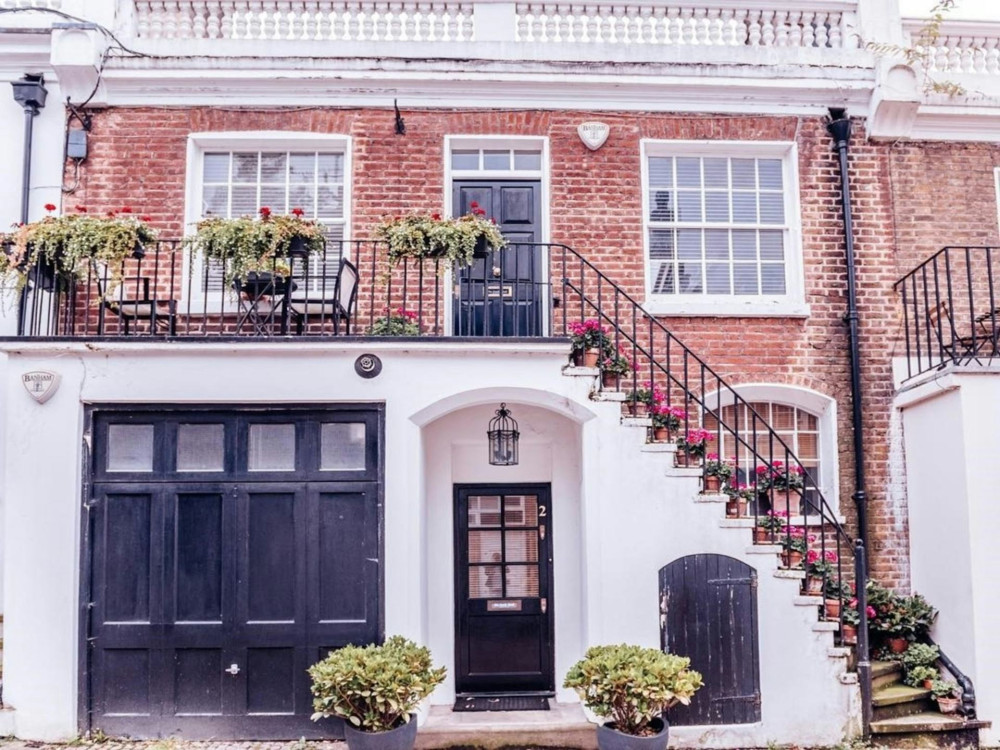
Popular facade materials in the U.S. include wood, brick, fiber cement, stucco, and stone veneer. A white stucco facade paired with a dark roof creates a classic contrast, while natural wood siding with a metal roof feels warm and contemporary. Choose colors that complement each other – subtle variations within the same tone create calm, while bold contrasts require a confident design hand.
Color, Light, and the Influence of Nature
Colors change with the light. A roof that looks medium gray in the showroom may appear nearly black in bright sunlight. Always view samples outdoors in the natural light where your home will stand. Also consider how materials age – some develop a beautiful patina, while others need more maintenance to retain their look.
If your home is surrounded by nature, draw inspiration from the landscape: earthy browns, soft greens, and muted grays create a seamless connection. In urban settings, you can play with stronger contrasts, but still aim for visual balance.
Details That Tie It All Together
Small details like gutters, window frames, and doors have a big impact on the overall impression. Choose materials and finishes that support the main design elements. For example, a zinc gutter pairs elegantly with a metal roof, while copper accents add warmth to a dark brick or stone facade.
The transition between house and yard also matters. A well-designed patio, walkway, or planting scheme can create a natural flow between the building and its surroundings.
Think Sustainably – and Aesthetically
Sustainability isn’t just about energy efficiency; it’s also about longevity and timeless design. A home that’s well-proportioned and visually balanced won’t need frequent aesthetic updates – and that’s a sustainable choice in itself. Select durable materials that age gracefully and require minimal replacement over time.
Harmony Is More Than Design
Creating harmony between roof, facade, and surroundings is ultimately about crafting a home that feels right – both to the eye and to those who live there. When proportions, materials, and colors work together, the result is a sense of calm and belonging that welcomes you home every day.
Læs også: