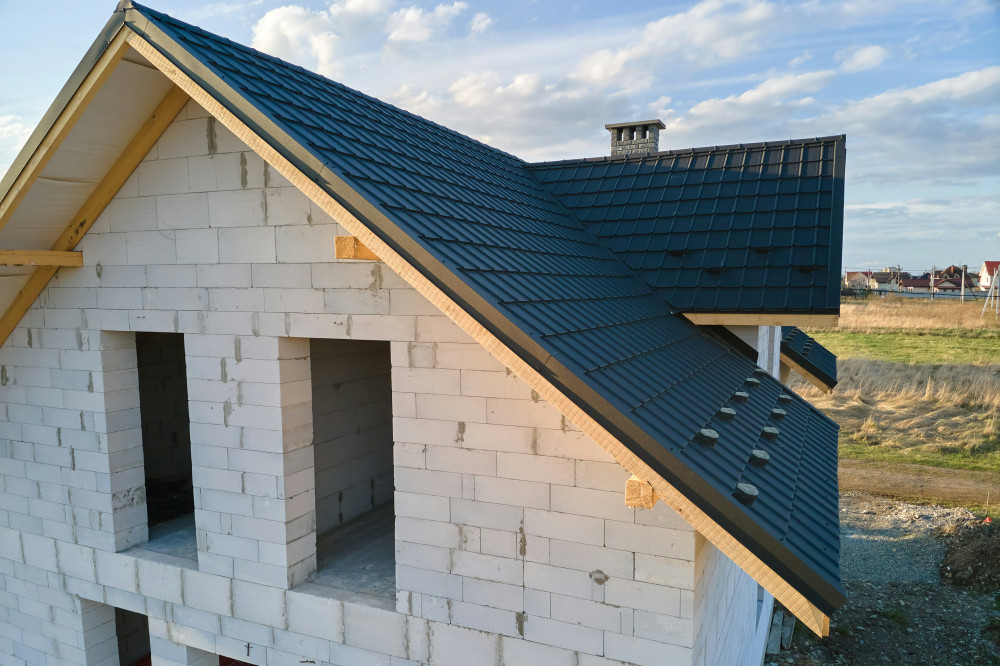
Create a Long-Term Roof Maintenance Plan

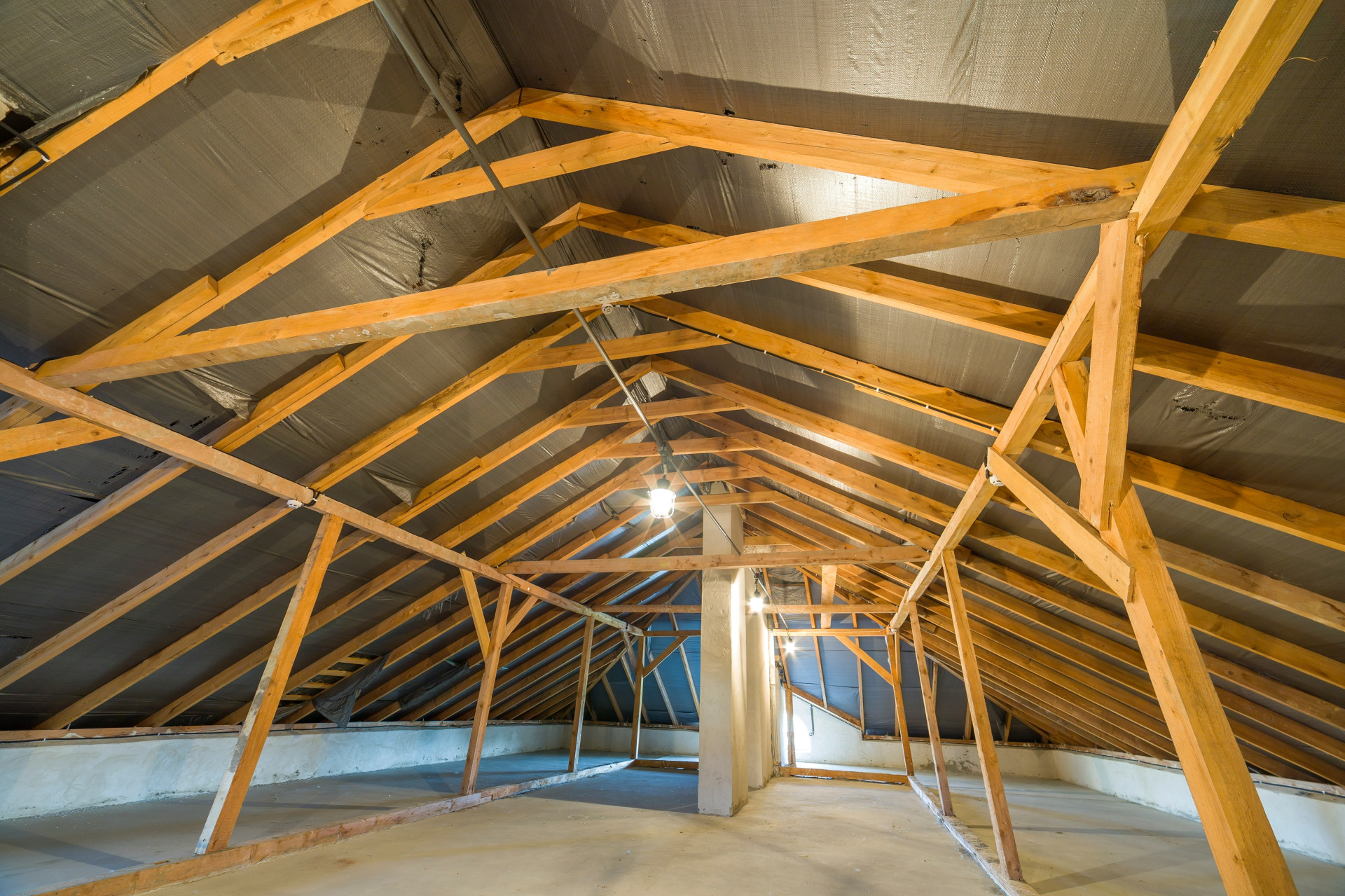
Create a Long-Term Roof Maintenance Plan
Your roof is one of the most important parts of your home—and one of the most exposed. Sun, rain, snow, and wind wear down materials year after year, and even small issues can turn into costly repairs if they go unnoticed. That’s why it pays to create a long-term roof maintenance plan. With a systematic approach, you can extend your roof’s lifespan, protect your home’s value, and avoid unpleasant surprises.
Why a Plan Makes a Difference
Many homeowners only think about their roof when a problem becomes obvious—a water stain on the ceiling, a missing shingle, or a leak after a storm. But prevention is far cheaper than repair. A long-term maintenance plan helps you stay on top of inspections, cleaning, and minor fixes before they become major issues.
A plan also gives you peace of mind. You’ll know when to set aside time and money for maintenance, and you can schedule larger projects—like gutter replacement or repainting trim—well in advance.
Start with a Thorough Inspection
Before you can make a plan, you need to know your roof’s current condition. You can inspect it yourself or hire a roofing professional for a detailed assessment. Look for:
- Cracked, curled, or missing shingles that could allow water to seep in.
- Moss, algae, or debris buildup, which can trap moisture and damage surfaces.
- Leaky flashing around chimneys, vents, and skylights.
- Worn or clogged gutters and downspouts, which can cause water to back up under the roof.
- Signs of moisture in the attic, such as damp insulation or mold growth.
Once you have a clear picture of your roof’s condition, you can decide which tasks need immediate attention and which can be scheduled over the coming years.
Build a Year-by-Year Maintenance Schedule
A long-term plan combines regular routines with periodic professional checkups. Here’s an example of how to structure your maintenance:
Every Year
- Spring and fall: Inspect the roof visually. Remove leaves, branches, and debris from gutters and downspouts. Check for loose or damaged shingles.
- After major storms: Look for missing shingles, dents, or other storm damage, especially if you have asphalt or metal roofing.
- Clean off moss and algae: Use appropriate cleaning solutions or hire a professional to keep the surface clear and water flowing freely.
Every 3–5 Years
- Inspect flashing and sealants: These materials expand and contract with temperature changes and can crack over time.
- Repaint or reseal surfaces: Metal or wood roofs may need a new protective coating to prevent rust or rot.
- Check attic insulation and ventilation: Proper airflow prevents moisture buildup and helps maintain energy efficiency.
Every 10–15 Years
- Professional inspection: Have a licensed roofer evaluate the roof’s overall condition and identify any hidden issues.
- Replace gutters and downspouts if needed: Even if the roof is in good shape, aging gutters can fail and cause water damage.
Læs også:
Tailor the Plan to Your Roof Type
Not all roofs require the same care. The material and local climate play a big role in how often maintenance is needed:
- Asphalt shingles: The most common in the U.S., they typically last 20–30 years. Check for granule loss and curling edges.
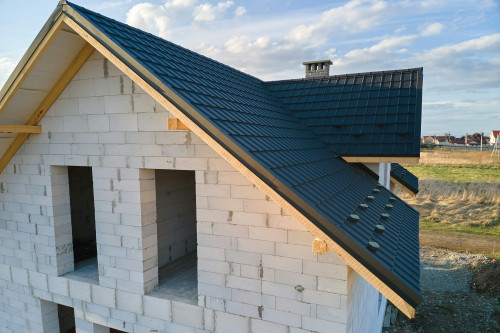
- Metal roofs: Durable and energy-efficient, but should be inspected for rust, loose fasteners, and worn coatings.
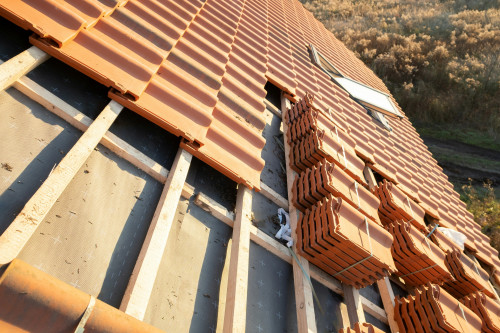
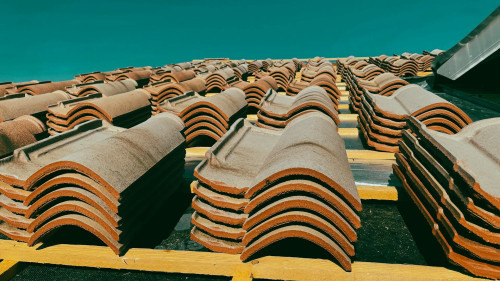
- Tile or slate roofs: Long-lasting but heavy; inspect for cracked or displaced tiles and damaged underlayment.
- Flat or low-slope roofs: Common on modern homes; keep drains clear and check for pooling water or membrane cracks.
By understanding your roof’s material and local weather conditions, you can fine-tune your maintenance schedule for maximum longevity.
Keep Records and Adjust Over Time
A good plan isn’t static. Keep notes on when you perform maintenance and what you observe. Take photos to track changes over time. If you notice certain areas wearing faster than expected, adjust your plan accordingly.
It’s also smart to keep receipts, inspection reports, and warranty information in one place. This documentation not only helps you stay organized but can also be valuable if you decide to sell your home—proof of a well-maintained roof adds to your property’s appeal.
An Investment in Your Home’s Future
Creating a long-term roof maintenance plan isn’t just about preventing leaks—it’s an investment in your home’s future. A well-cared-for roof protects the entire structure, improves energy efficiency, and enhances curb appeal.
With a thoughtful plan, you can spread out costs, avoid emergency repairs, and ensure your roof lasts for decades. It takes a bit of time and attention, but the payoff is a safer, more durable home for years to come.
Læs også: