Moisture Problems from Improper Insulation – How to Prevent Them in Your Home

Moisture Problems from Improper Insulation – How to Prevent Them in Your Home
Insulation is one of the smartest investments you can make in your home. It keeps heat inside during winter, blocks out summer heat, and helps lower your energy bills. But if insulation is installed incorrectly, it can lead to serious moisture problems. Moisture can cause mold, rot, and poor indoor air quality—and in the worst cases, structural damage. Here’s how to prevent these issues and keep your home safe and comfortable.
Why Moisture Problems Occur
Moisture problems happen when warm, humid indoor air meets cold surfaces within your home’s structure. If insulation or vapor barriers are installed incorrectly, condensation can form inside walls, ceilings, or floors. Over time, this trapped moisture can lead to mold growth and material decay.
The most common causes of moisture problems related to insulation include:
- Missing or leaky vapor barriers – Moist indoor air seeps into the wall cavity and condenses on cold surfaces.
- Incorrect insulation placement – Especially in older homes not designed for modern insulation methods.
- Poor ventilation – When a home becomes more airtight after insulation upgrades but ventilation isn’t improved, moisture can’t escape.
- Thermal bridges – Areas where heat escapes and cold enters, such as around windows, doors, and framing joints.
Know Your Home’s Construction
Before adding or upgrading insulation, it’s important to understand how your home was built. A 1920s bungalow and a 1990s suburban home have very different wall systems and moisture behaviors. Older homes often use materials that “breathe,” meaning they can absorb and release moisture naturally. Over-insulating or sealing these structures too tightly can trap moisture and cause damage.
Consider getting a home energy audit or building inspection from a certified professional. They can identify where insulation will be most effective and how to install it safely without creating moisture issues.
The Vapor Barrier – Your Hidden Protector
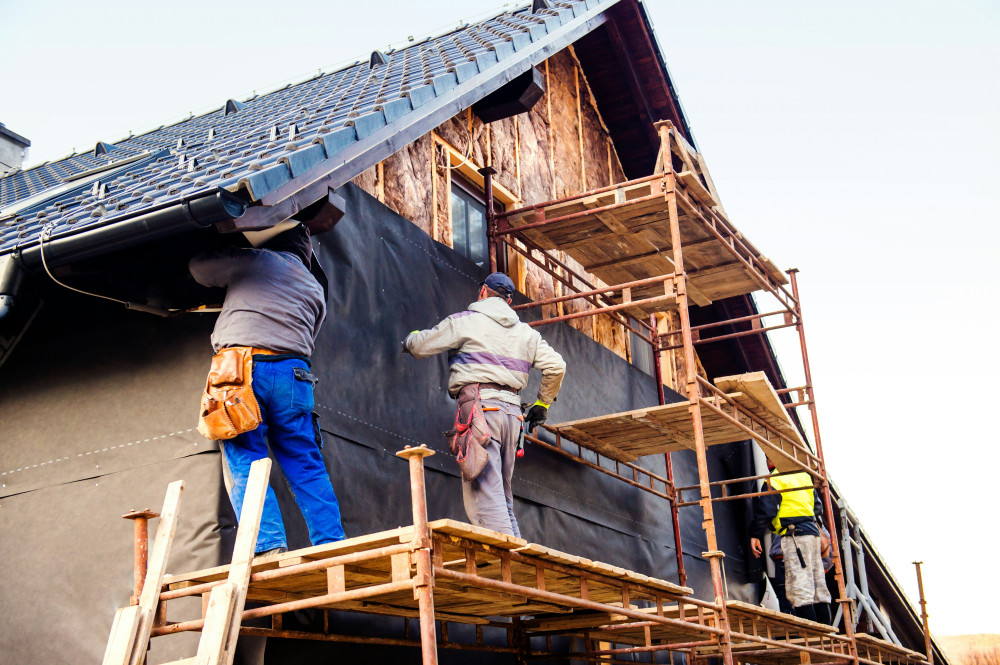
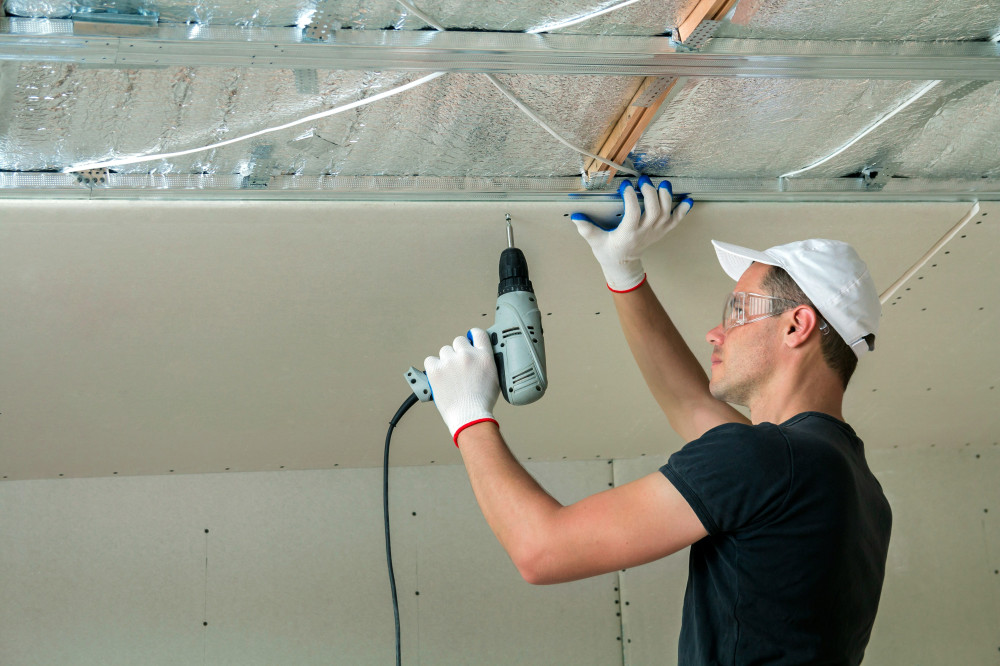
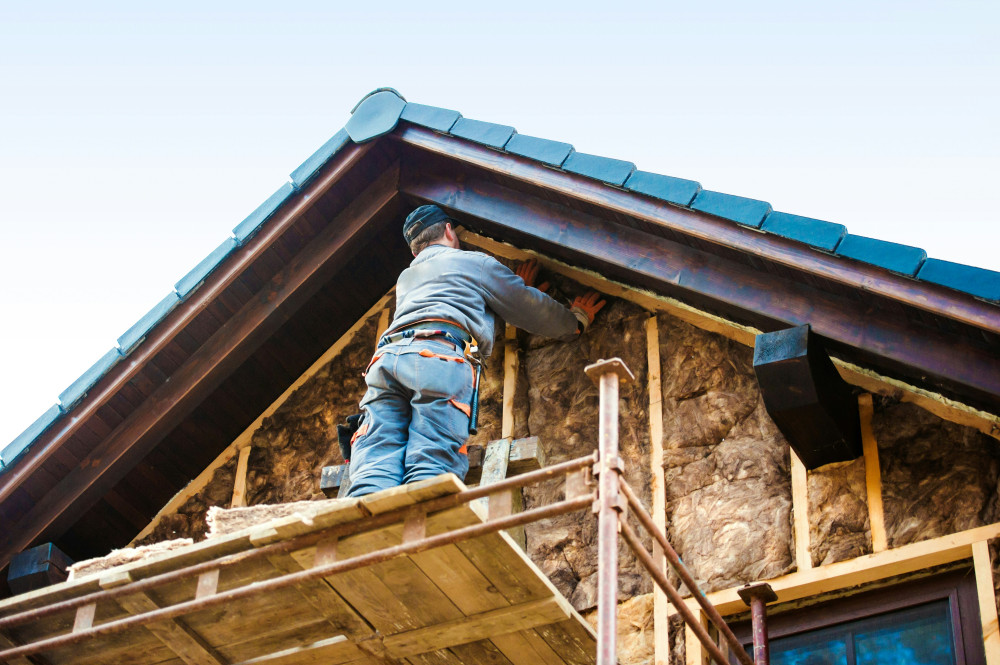
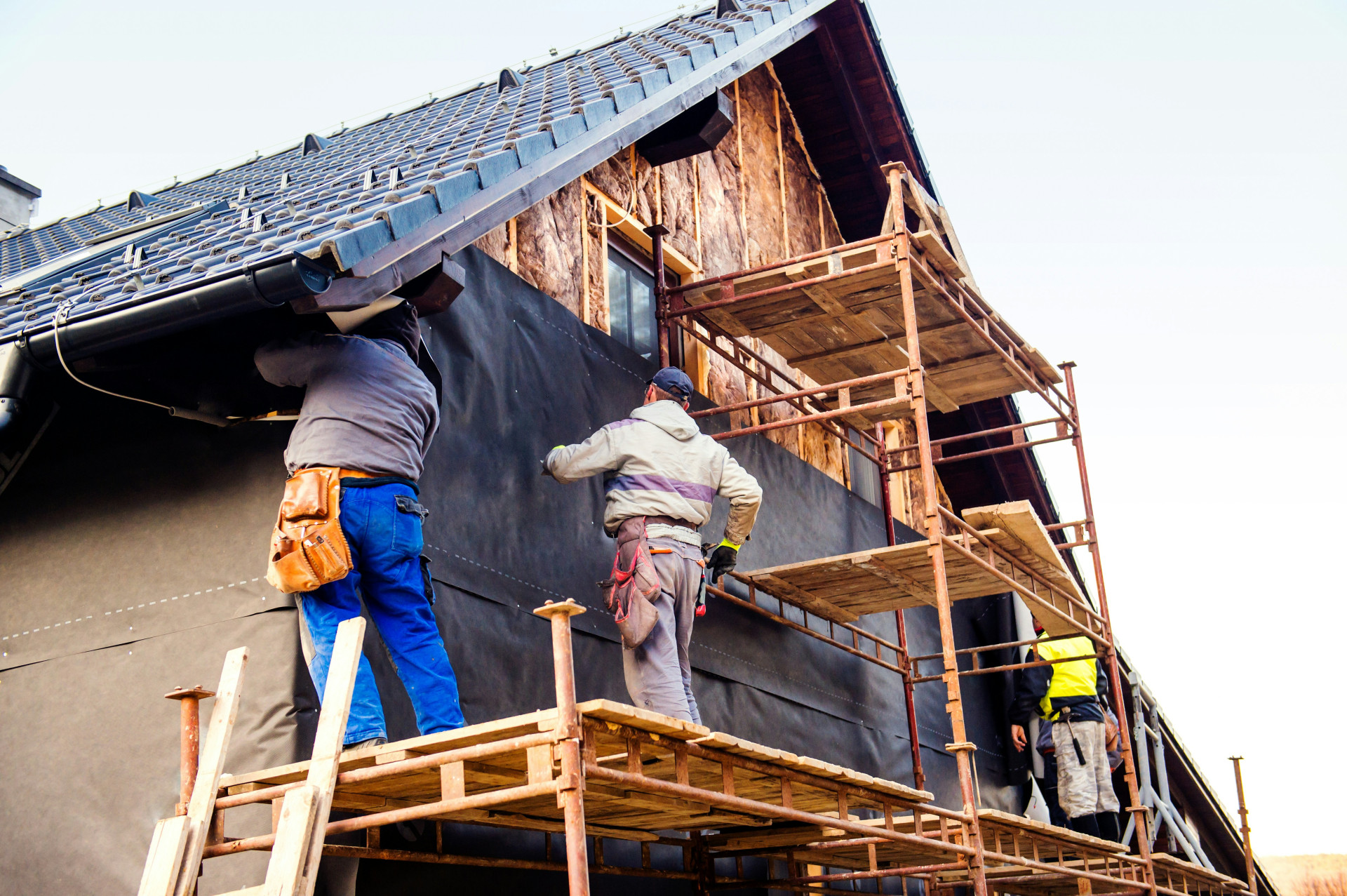
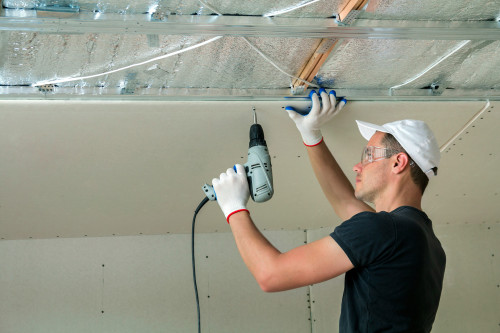
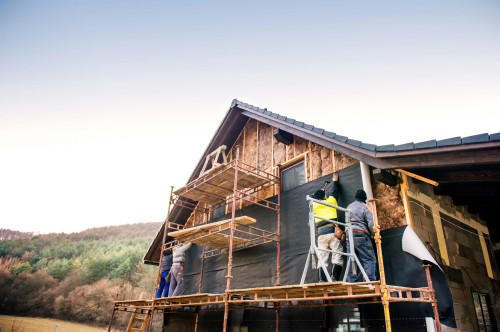
A properly installed vapor barrier is essential for keeping moisture out of your walls. It should be placed on the warm side of the insulation—typically just behind the interior drywall. The barrier must be continuous and airtight, with all seams, penetrations, and edges carefully sealed.
Even small gaps can cause big problems, as warm air naturally moves toward cooler areas and carries moisture with it. Always use approved materials and follow manufacturer instructions closely. If you’re unsure, hire a qualified contractor experienced in insulation and vapor barrier installation.
Ventilation – The Overlooked Factor
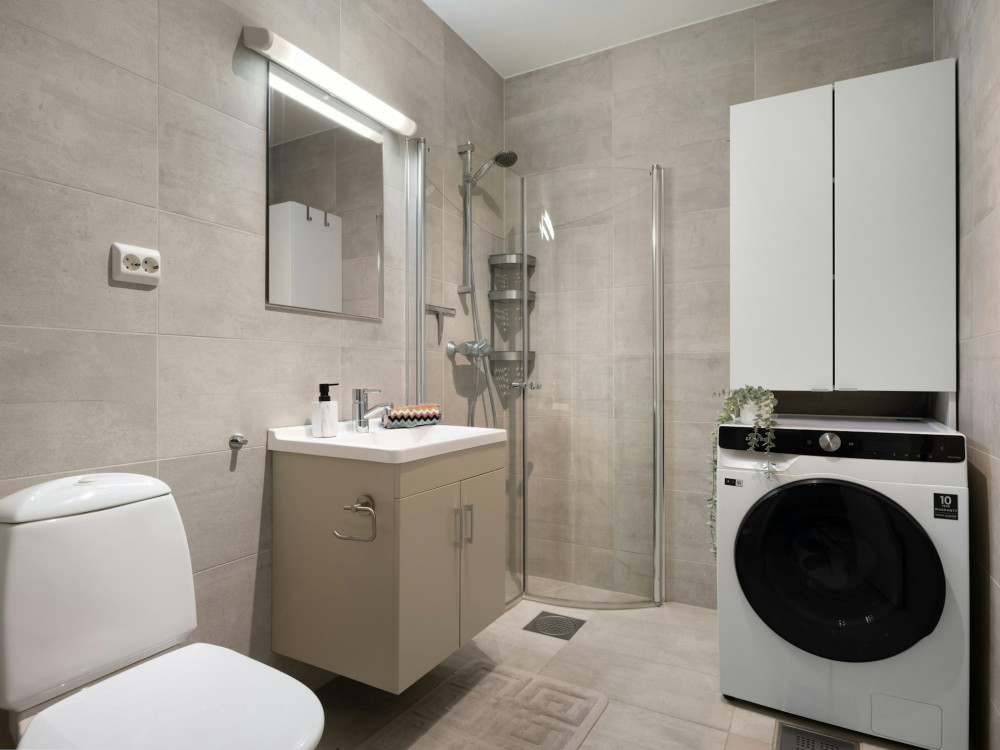
When you improve insulation, your home becomes tighter and more energy-efficient—but that also means less natural air exchange. Everyday activities like cooking, showering, and even breathing release moisture into the air. Without proper ventilation, that moisture has nowhere to go.
To maintain healthy indoor air and prevent condensation:
- Install exhaust fans in bathrooms and kitchens that vent to the outside.
- Consider a balanced ventilation system or heat recovery ventilator (HRV) to bring in fresh air without losing heat.
- Open windows briefly each day to let humid air escape, especially after cooking or bathing.
Good ventilation not only prevents moisture buildup but also improves indoor air quality and reduces the risk of mold.
Læs også:
Retrofitting Older Homes – Proceed with Caution
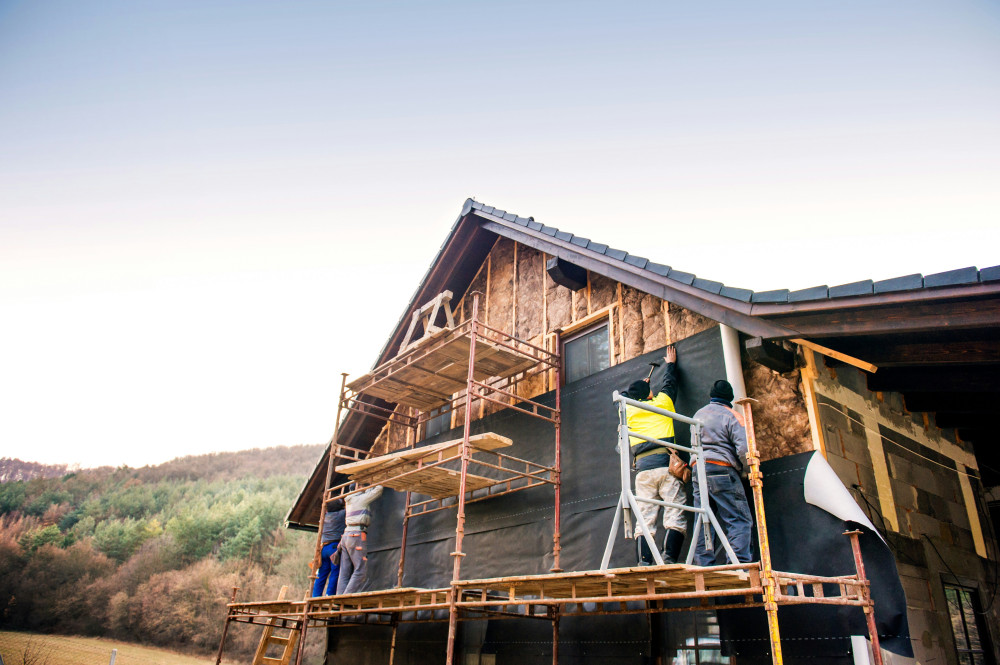
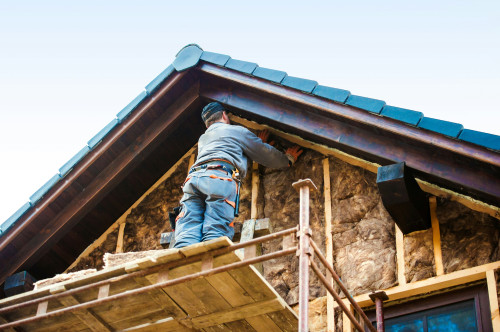
Adding insulation to older homes can be a great way to save energy, but it must be done carefully. For example, filling the wall cavities of a brick or wood-frame house that was originally designed to “breathe” can trap moisture inside the walls. This can lead to frost damage, peeling paint, or mold growth.
Before retrofitting insulation:
- Check for existing moisture or water damage.
- Choose insulation materials that suit your home’s construction and climate.
- Use vapor-permeable materials when appropriate to allow moisture to escape.
More insulation isn’t always better—it’s about finding the right balance between energy efficiency and moisture control.
Signs of Moisture Problems – and What to Do
Even with careful planning, moisture issues can still occur. Watch for these warning signs:
- Dark spots or discoloration on walls or ceilings.
- Musty odors or visible mold.
- Peeling paint or wallpaper.
- Condensation on the inside of windows.
If you notice any of these, act quickly. Identify and fix the source—such as leaks, poor ventilation, or damaged vapor barriers—and consult a professional if needed. The sooner you address the problem, the less damage it will cause.
How to Prevent Moisture Problems Long-Term
Preventing moisture problems requires a holistic approach. Insulation, ventilation, and material choices must all work together. Here are the key steps to remember:
- Plan insulation upgrades based on your home’s age and structure.
- Ensure vapor barriers are properly installed and sealed.
- Improve ventilation to match your home’s tighter envelope.
- Use materials suited to your climate and building type.
- Seek professional advice if you’re uncertain.
With the right strategy, you can enjoy a more energy-efficient home without the risk of moisture damage—ensuring comfort, durability, and healthy indoor air for years to come.
Læs også: