Is the Foundation Insulated Well Enough? How to Tell

Is the Foundation Insulated Well Enough? How to Tell
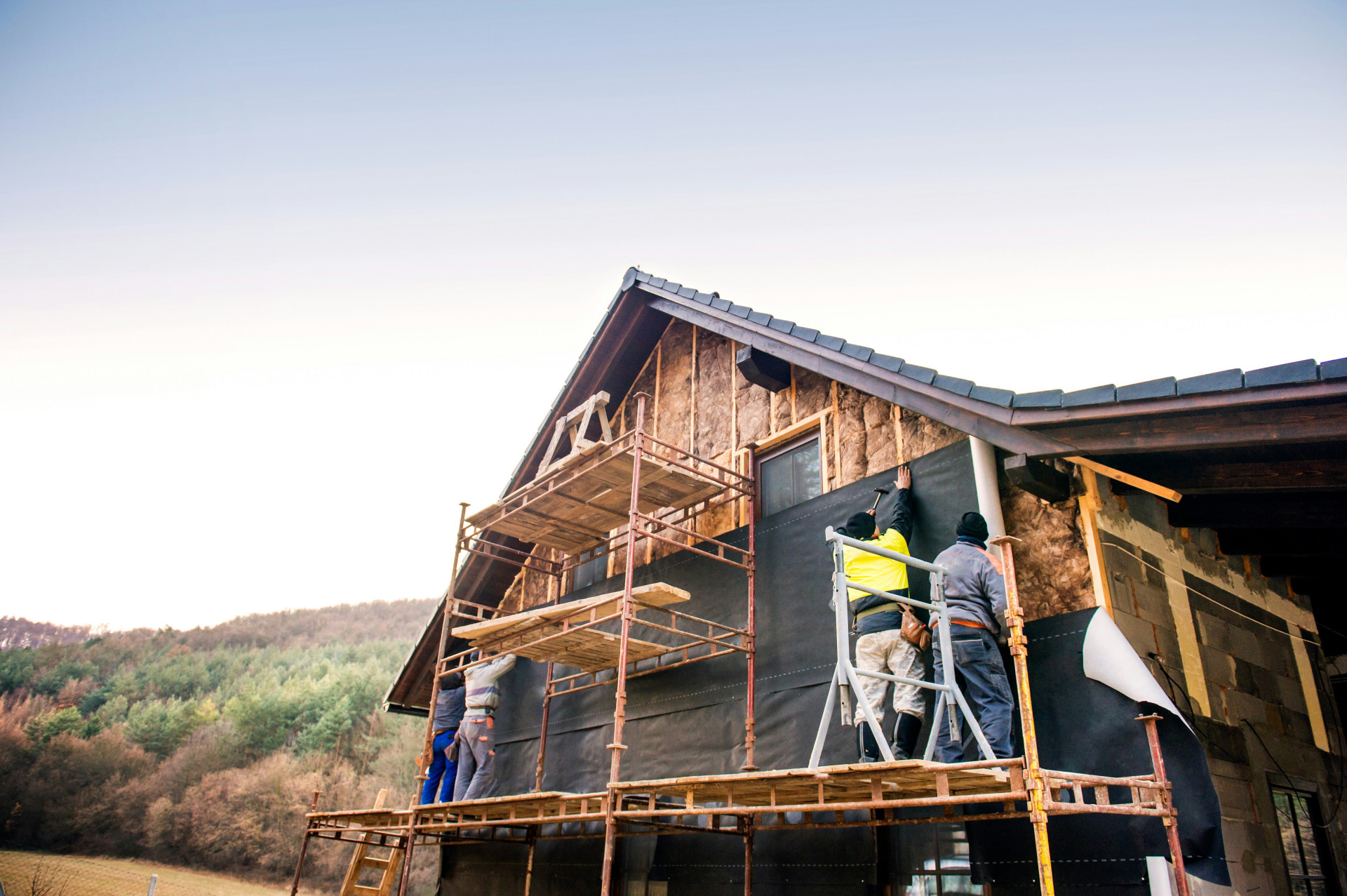
The foundation—the transition between your home’s footing and exterior walls—plays a crucial role in comfort, energy efficiency, and long-term durability. If the foundation isn’t properly insulated, cold air can seep in from below, and moisture can travel upward into the walls. The result may be chilly floors, higher heating bills, and even structural damage over time. But how can you tell if your foundation is insulated well enough? Here’s a practical guide for U.S. homeowners to assess the situation and decide whether improvements are worth considering.
Why Foundation Insulation Matters
The foundation supports your home and acts as a barrier against ground temperature and moisture. Proper insulation reduces heat loss through the floor and walls, prevents cold spots, and helps maintain a consistent indoor temperature. It also protects against condensation and mold growth that can occur when warm indoor air meets cold surfaces.
In older American homes—especially those built before the 1980s—foundation insulation was often minimal or nonexistent. Newer homes, however, are typically built to meet modern energy codes, which require insulation around basements, crawl spaces, and slab-on-grade foundations. Common materials include rigid foam boards made of extruded or expanded polystyrene, or spray foam designed to resist moisture and pressure.
Signs Your Foundation May Not Be Insulated Properly
Watch for these common indicators:
- Cold floors – especially near exterior walls or in rooms above unheated basements or crawl spaces.
- Drafts or cold spots – feel along baseboards and corners for temperature differences.
- Moisture or dark stains – may indicate condensation forming on cold foundation walls.
- High heating or cooling bills – a sign that your home is losing energy through the foundation.
- Mold or musty odors – often appear where moisture and cold surfaces meet, such as in basements or behind furniture.
If you notice several of these symptoms, it’s worth investigating further.
How to Check the Insulation
You can get a good sense of your foundation’s condition in several ways:
- Review your home’s age and construction records – building permits or blueprints may show whether insulation was installed around the foundation.
- Inspect visually – look for cracks, flaking, or damp spots on the exterior foundation walls. These can indicate water intrusion or missing insulation.
- Use an infrared thermometer – compare the temperature of the foundation wall to the rest of the wall surface. A noticeably colder reading suggests heat loss.
- Schedule a thermal imaging inspection – an energy auditor can use a thermal camera to pinpoint exactly where heat is escaping.
- Get a home energy audit – a certified professional can evaluate your home’s overall insulation and recommend cost-effective improvements.
Options for Adding or Improving Insulation
If your foundation lacks proper insulation, there are several retrofit options depending on your home’s design:
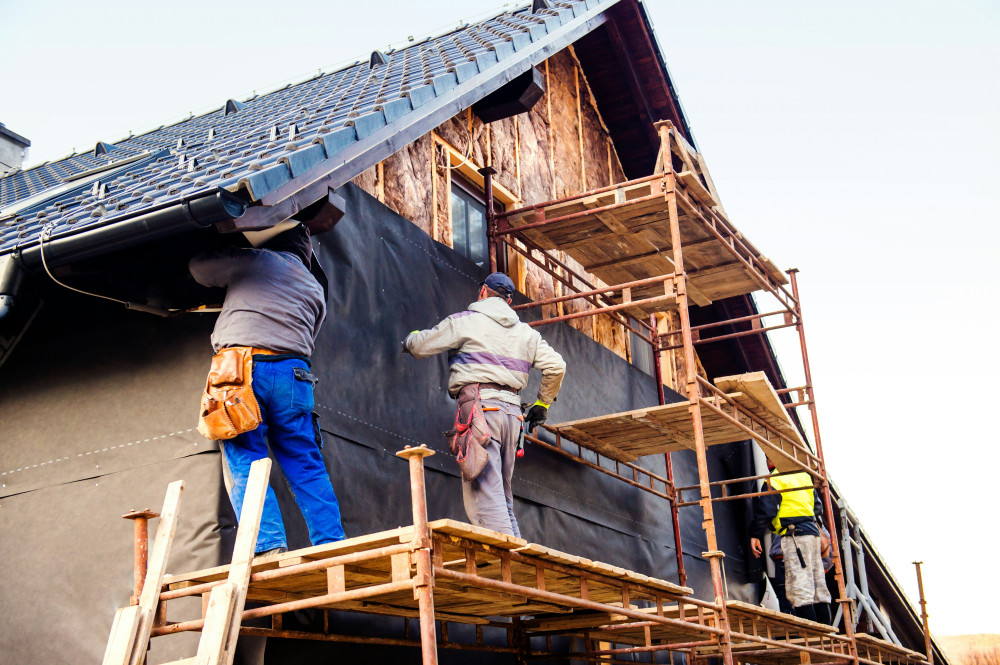
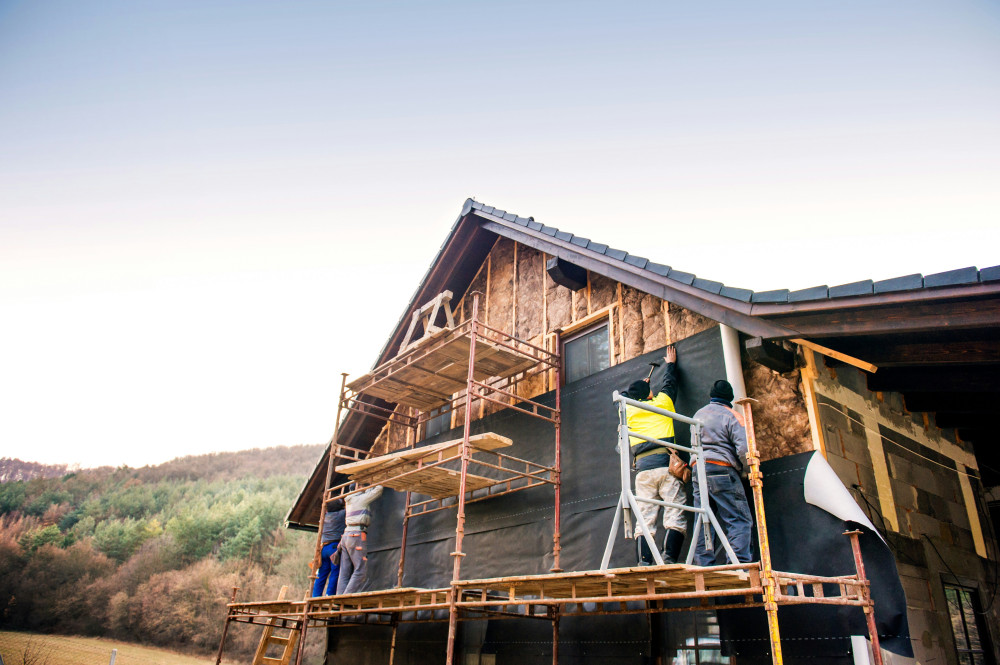
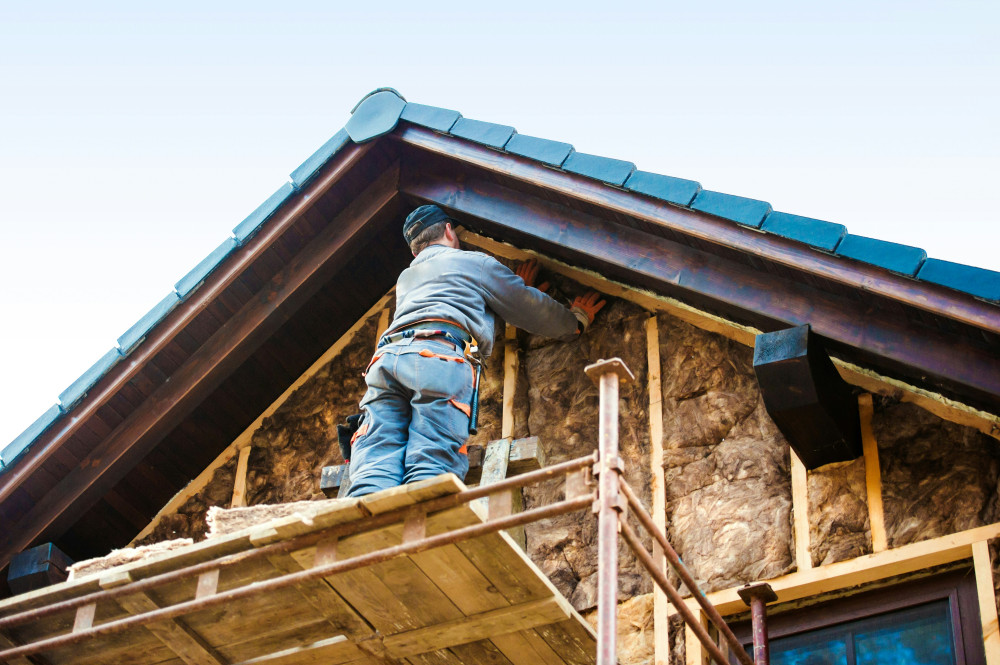
- Exterior insulation – the most effective method, where soil is excavated around the foundation and rigid foam boards are installed on the outside. This approach also helps protect against moisture.
- Interior insulation – used when exterior work isn’t practical. Insulation boards or spray foam can be applied to the inside of basement walls, but moisture control must be carefully managed.
- Crawl space or slab insulation – if you’re renovating floors or encapsulating a crawl space, adding insulation beneath or around the slab can significantly reduce heat loss.
Always choose materials rated for below-grade use and ensure proper drainage and vapor barriers to prevent water accumulation.
When It’s Worth the Investment
Upgrading foundation insulation can lower energy bills, improve comfort, and protect your home from moisture damage. The financial payoff depends on your home’s age, climate zone, and current energy costs. In colder regions, the savings can be substantial. Often, the best approach is to combine foundation insulation with other energy upgrades—such as sealing air leaks, adding attic insulation, or replacing old windows.
An energy professional can help estimate the return on investment and determine whether the project makes sense for your situation.
Læs også:
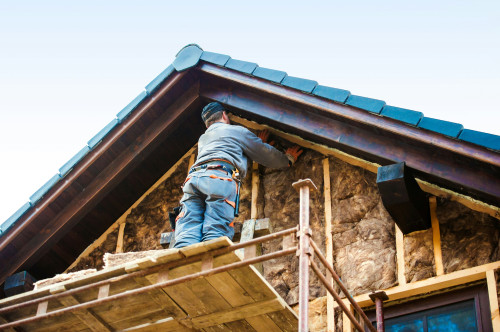
A More Comfortable and Efficient Home
A well-insulated foundation doesn’t just make your home warmer in winter and cooler in summer—it also helps prevent moisture problems that can lead to costly repairs. By assessing your foundation’s condition and addressing any weaknesses early, you can create a healthier, more energy-efficient home that stands strong for decades to come.
Læs også: