Cool House in Summer with an Insulated Attic Crawl Space

Cool House in Summer with an Insulated Attic Crawl Space
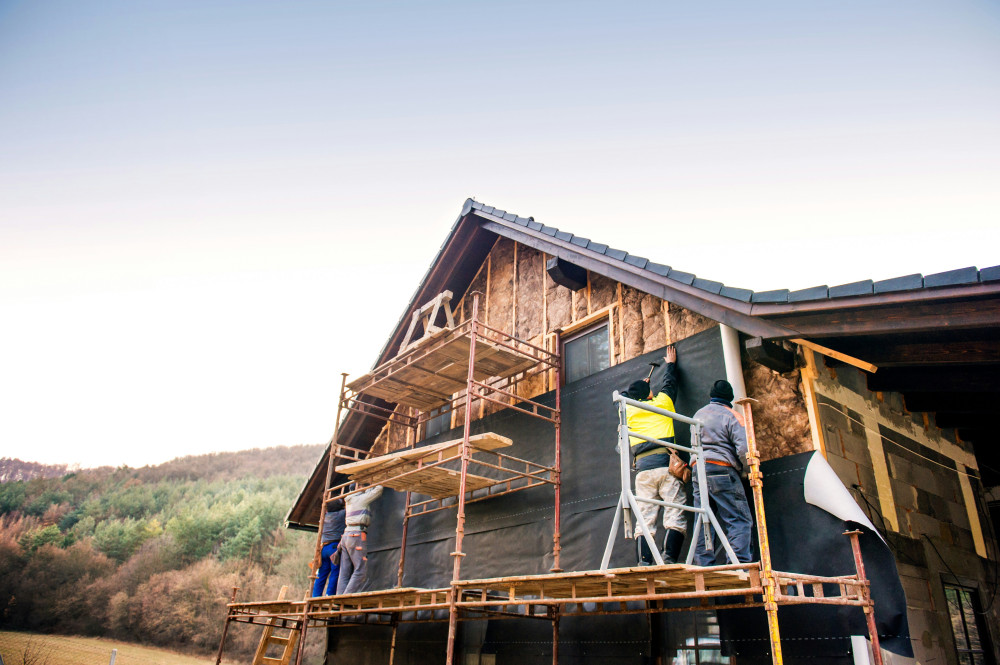
When summer heat sets in and the sun beats down on your roof, your home can quickly turn into an oven. This is especially true for older houses or those with poor insulation. One of the most effective ways to keep your home cooler is by insulating the attic crawl space — that small, often overlooked area between the ceiling and the roof. With proper insulation, you can maintain a comfortable indoor temperature, reduce energy use, and improve your home’s overall efficiency year-round.
What Is an Attic Crawl Space — and Why Does It Matter?
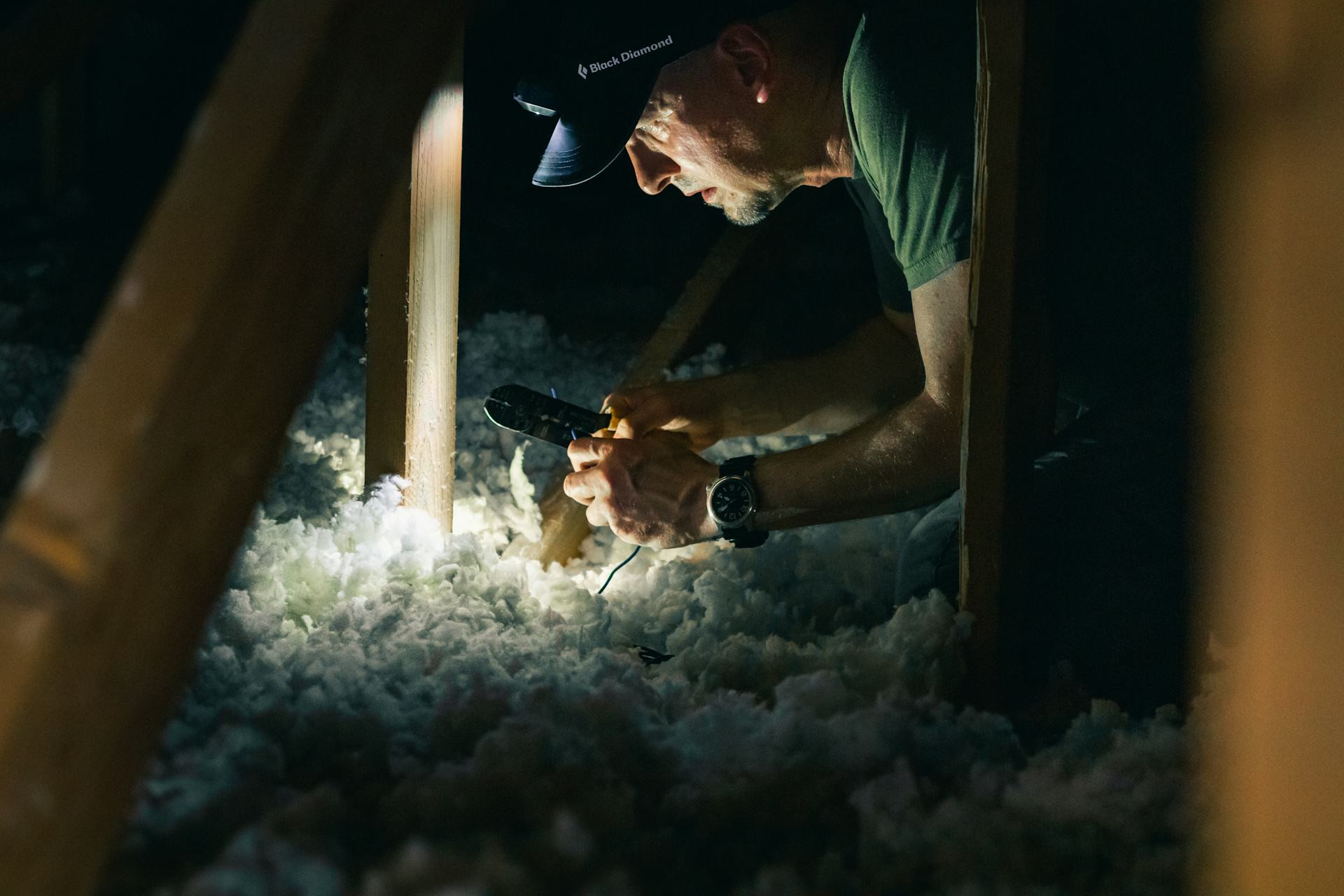
An attic crawl space is the narrow area between your living space and the roof structure. It acts as a buffer zone, helping regulate temperature and moisture. If this space isn’t properly insulated, heat from the sun can easily penetrate through the roof and radiate into your home. In winter, the opposite happens — warm air escapes, making your home harder to heat.
Because of this, the attic crawl space plays a key role in your home’s energy performance. Proper insulation here can make a noticeable difference in comfort and utility costs.
How Insulation Keeps Your Home Cool
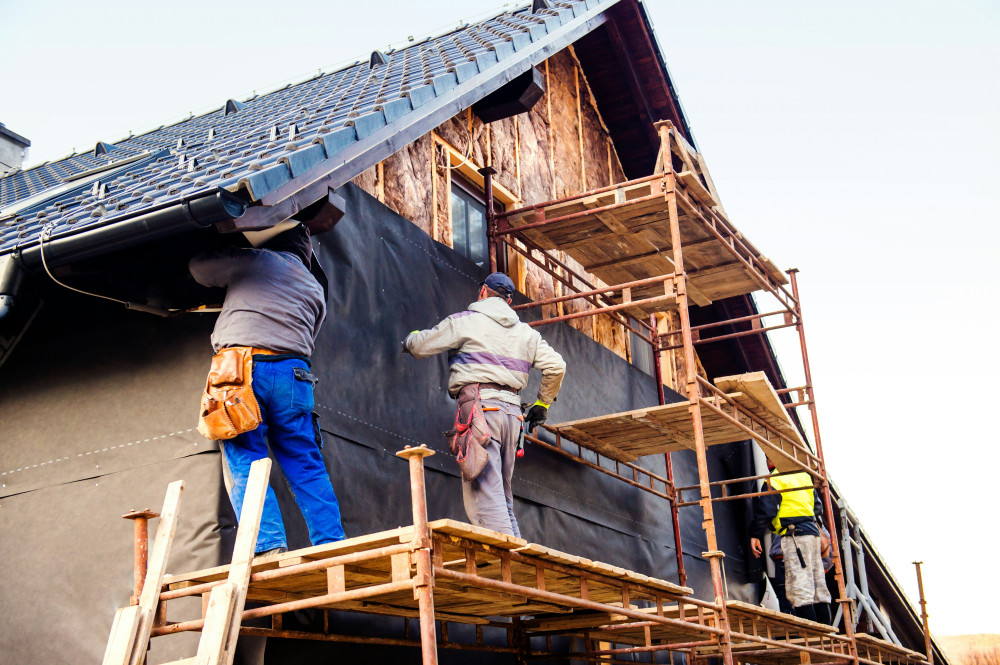
When sunlight hits your roof, the surface temperature can soar. Without insulation, that heat transfers directly into your living areas. Insulation acts as a thermal barrier, slowing down and reducing the amount of heat that enters your home. As a result, the rooms below the attic stay cooler for longer, even on the hottest days.
Insulation also helps stabilize indoor temperatures, reducing the need for constant air conditioning. That means lower energy bills and less strain on your cooling system.
Choosing the Right Insulation Material
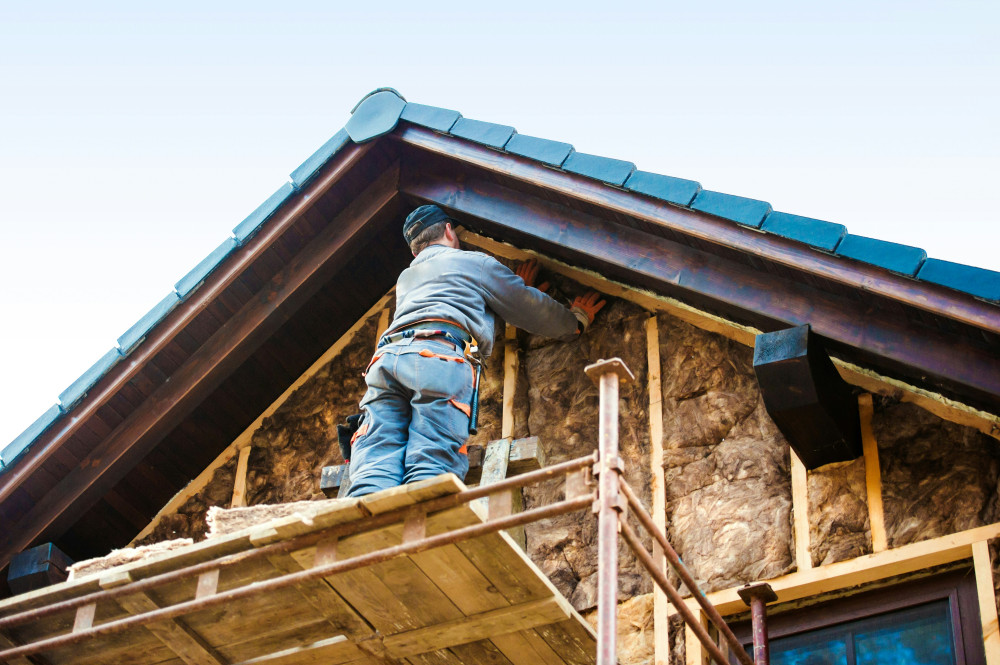
There are several insulation materials suitable for attic crawl spaces. The best choice depends on your home’s structure, budget, and environmental preferences.
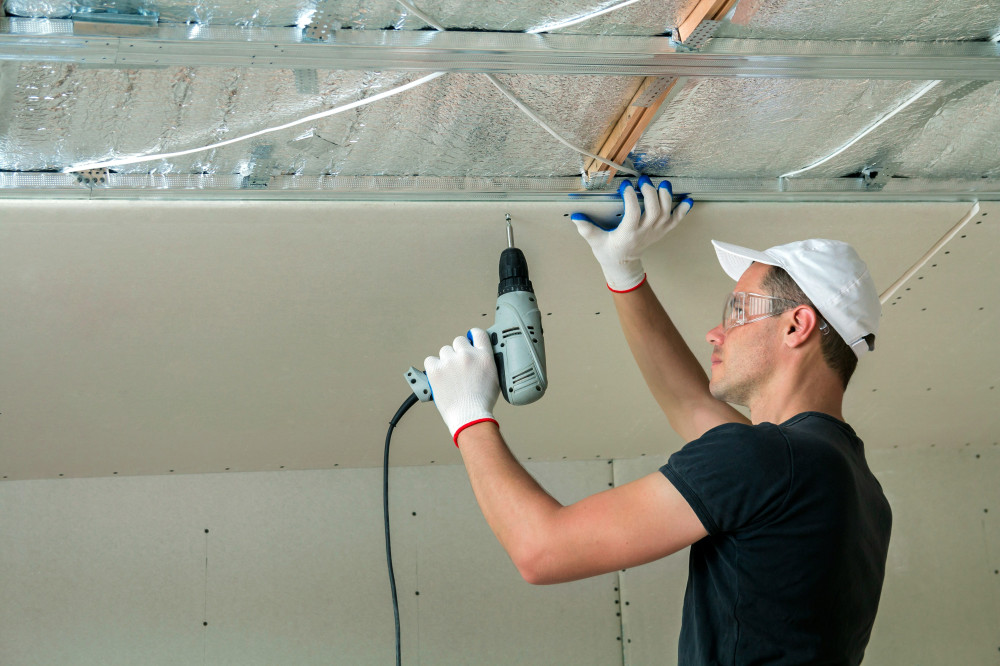
- Fiberglass batts or rolls – a common, cost-effective option that’s easy to install and provides solid thermal resistance.
- Blown-in cellulose – made from recycled paper, this eco-friendly material fills gaps and irregular spaces effectively.
- Spray foam insulation – creates an airtight seal and excellent thermal barrier, but should be installed by professionals.
- Mineral wool – offers good fire resistance and soundproofing in addition to thermal performance.
No matter which material you choose, proper installation is key. Gaps, compression, or moisture issues can reduce the insulation’s effectiveness.
Læs også:
Ventilation and Moisture Control
When insulating an attic crawl space, ventilation is just as important as insulation. Without adequate airflow, moisture can build up, leading to mold, mildew, and structural damage. A well-designed system includes soffit and ridge vents or gable vents that allow air to circulate freely above the insulation layer.
In humid climates, it’s also wise to include a vapor barrier or consult a professional to determine the best moisture control strategy for your home.
DIY or Professional Installation?
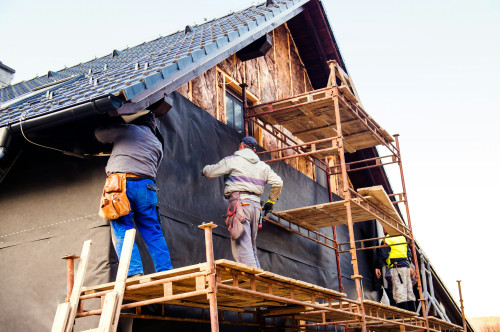
Some homeowners tackle small insulation projects themselves, especially if the attic crawl space is easy to access. However, many attics are tight, dusty, and complex. Hiring a professional insulation contractor or energy auditor can ensure the job is done safely and effectively. A pro can also help you determine the right insulation thickness and verify that your home meets local building codes and energy standards.
Extra Benefits of an Insulated Attic Crawl Space
Beyond keeping your home cooler in summer and warmer in winter, insulating your attic crawl space offers several additional advantages:
- Lower energy bills – reduced need for heating and cooling.
- Improved indoor comfort – fewer temperature swings and drafts.
- Noise reduction – insulation helps block outdoor sounds.
- Increased home value – energy-efficient upgrades appeal to buyers.
A Smart Investment for Comfort and Efficiency
While insulating your attic crawl space requires an upfront investment, it’s one of the most cost-effective home improvements you can make. Many homeowners notice a difference in comfort and energy savings after just one season.
Keeping your house cool in summer isn’t only about comfort — it’s about sustainability and smart energy use. With a well-insulated attic crawl space, your home will stay comfortable, efficient, and ready to handle whatever the weather brings.
Læs også: