Less Waste, More Awareness: Plan Your Home Energy Use

Less Waste, More Awareness: Plan Your Home Energy Use
At home, energy use is something most of us rarely think about—lights turn on, the washer runs, and the thermostat keeps us comfortable. But every flip of a switch carries both a cost and a carbon footprint. By planning and becoming more aware of how and when you use energy, you can save money and reduce your environmental impact. Here’s how to make your household energy use more efficient and sustainable.
Know Your Usage—and Spot the Hidden Energy Hogs
The first step toward lowering your energy consumption is understanding where it actually goes. Many homeowners are surprised to learn how much electricity is wasted on standby power, outdated appliances, or inefficient heating and cooling.
- Track your energy use. Most U.S. utilities offer online dashboards or mobile apps that show your hourly or daily energy consumption.
- Identify the big users. Old refrigerators, dryers, and incandescent bulbs can be major culprits. Replacing them with ENERGY STAR®–certified models can make a big difference.
- Unplug or use smart power strips. These automatically cut power to devices when they’re not in use, reducing phantom energy draw.
Once you understand your usage patterns, it’s easier to target the areas where you can make the biggest impact.
Plan Around the Daily Energy Cycle
Electricity demand—and sometimes pricing—fluctuates throughout the day. In many regions, utilities offer time-of-use rates, meaning you can save money by shifting energy-intensive tasks to off-peak hours.
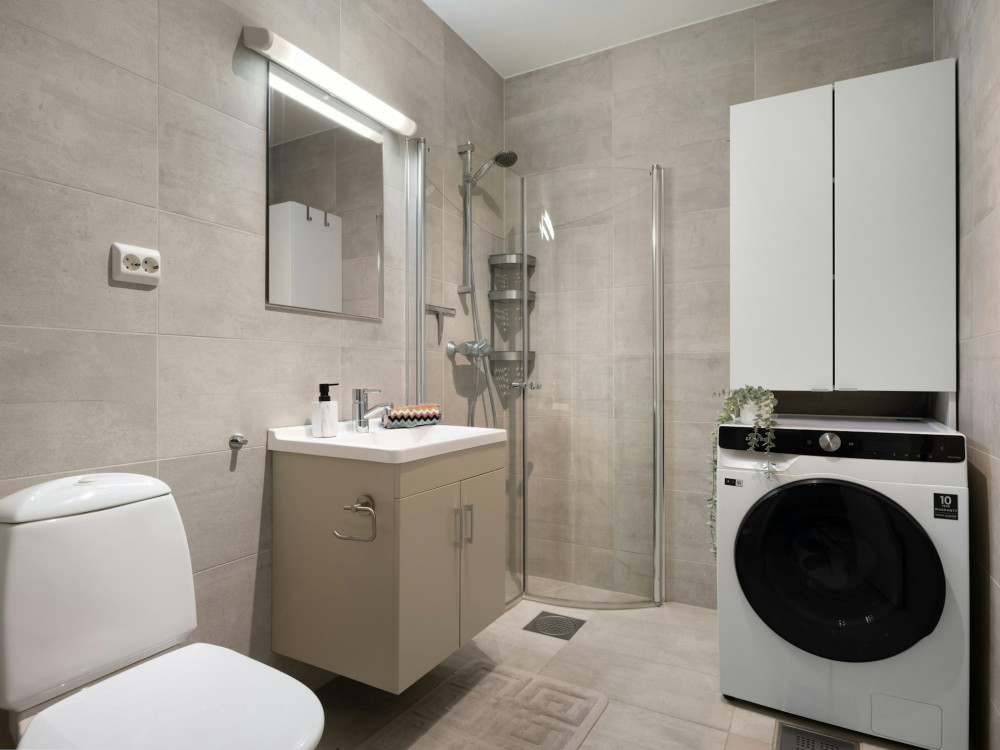
- Use timers and scheduling features. Many modern washers, dryers, and dishwashers can be programmed to run overnight or mid-day when rates are lower.
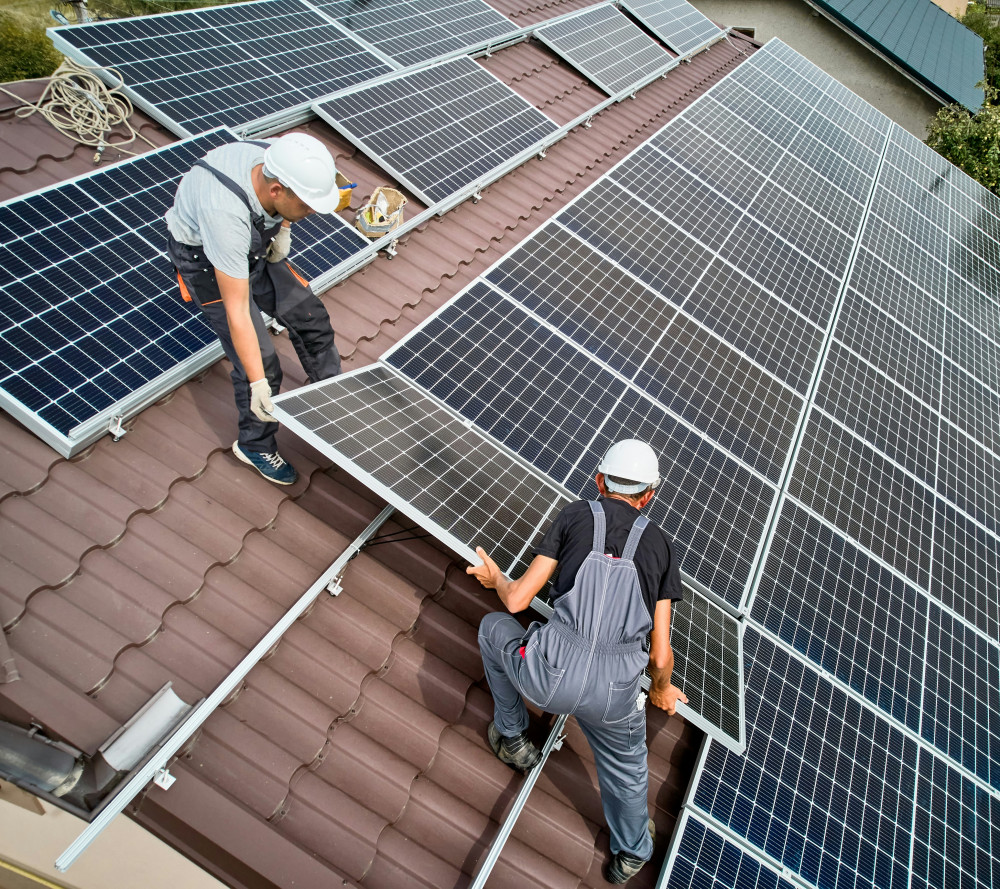
- Take advantage of solar power. If you have rooftop solar panels, plan to run high-energy appliances during sunny hours when your system is producing the most electricity.
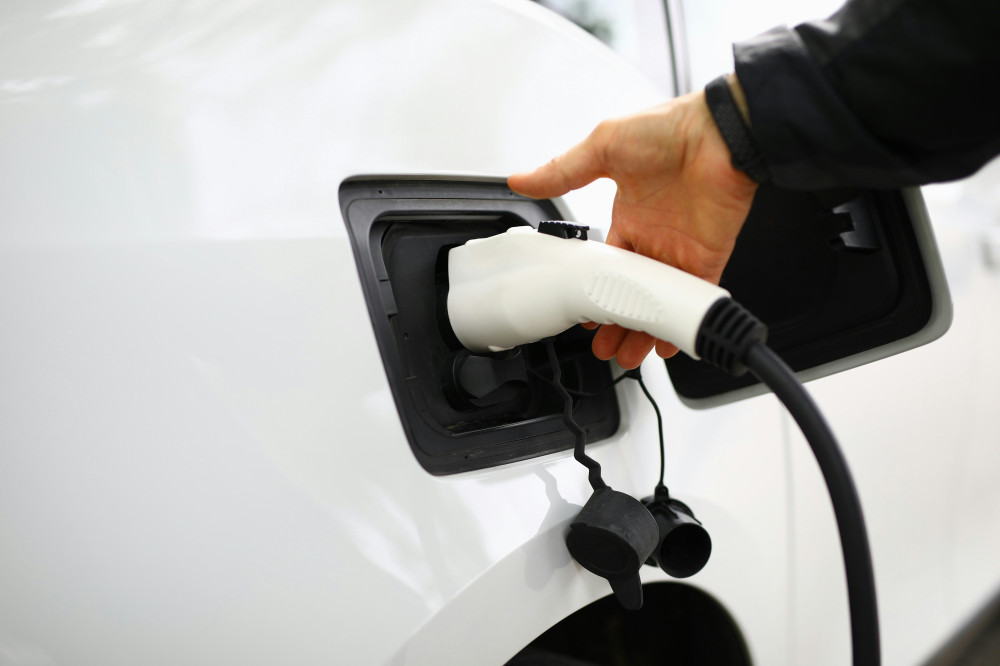
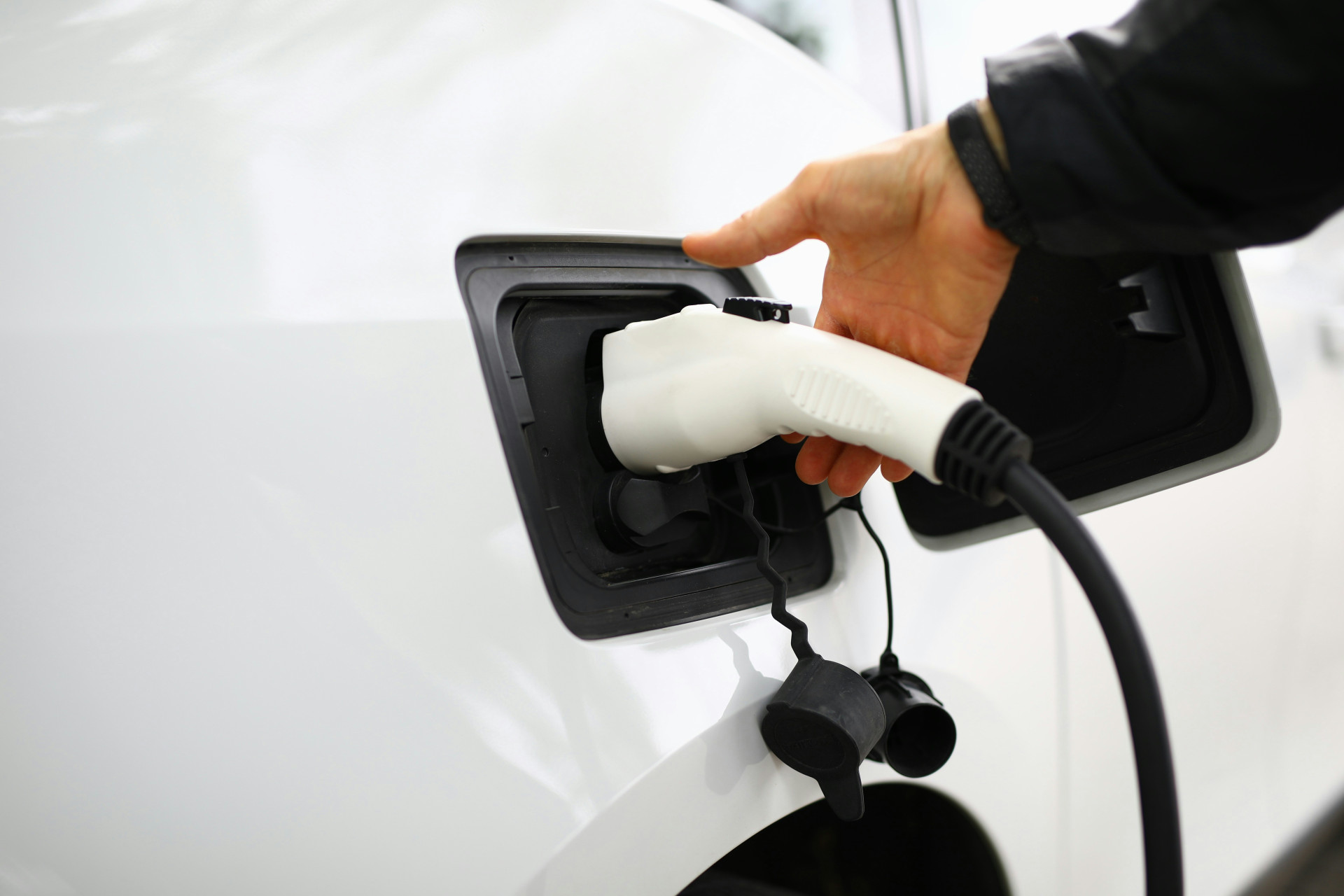
- Charge your EV smartly. Set your electric vehicle to charge overnight, when electricity is often cheaper and the grid is less strained.
Small adjustments in timing can lead to noticeable savings on your utility bill and help balance the overall energy grid.
Læs også:

Heating and Cooling—Your Biggest Energy Expense
For most U.S. households, heating and cooling account for nearly half of total energy use. That’s where the greatest savings potential lies.
- Adjust the thermostat. Lowering your heat by just one degree in winter—or raising it slightly in summer—can cut energy use by about 5%.
- Seal and insulate. Poor insulation and air leaks around windows, doors, and attics can waste a lot of energy. Weatherstripping and insulation upgrades often pay for themselves quickly.
- Use a programmable or smart thermostat. Set it to automatically reduce heating or cooling when you’re asleep or away from home.
- Maintain your HVAC system. Clean filters and regular tune-ups keep your system running efficiently.
If you’re considering an upgrade, heat pumps and high-efficiency furnaces can significantly reduce both costs and emissions.
Lighting and Electronics—Small Habits, Big Results
Lighting and electronics may seem minor, but mindful choices here can still add up.
- Switch to LEDs. LED bulbs use up to 80% less energy than traditional bulbs and last much longer.
- Turn off lights when you leave a room. A simple habit that still makes a difference.
- Choose efficient devices. Look for the ENERGY STAR® label when buying new appliances or electronics.
- Power down completely. Shut off computers and TVs instead of leaving them on standby.
It’s not about giving up comfort—it’s about using energy thoughtfully.
Make Energy Awareness a Family Effort
Saving energy is easier when everyone in the household is involved. Talk about why it matters and make it a shared goal.
- Turn it into a friendly challenge—see who remembers to turn off lights or unplug chargers.
- Involve kids by teaching them how energy works and why conservation is important.
- Celebrate progress, whether it’s a lower utility bill or a smaller carbon footprint.
When energy awareness becomes part of daily life, it feels less like a sacrifice and more like a shared achievement.
A More Sustainable Home Starts with Planning
Planning your home energy use isn’t just about saving money—it’s about taking responsibility for the resources we all share. With a few smart habits, better technology, and a conscious approach to everyday living, you can create a home that’s comfortable, cost-effective, and environmentally friendly.
It doesn’t take drastic changes—just a bit of planning and a willingness to think differently. The result is a home with less waste and more awareness—good for your wallet, your comfort, and the planet.
Læs også: