Heat Pumps and Humidity – How to Create a Healthy and Energy-Efficient Indoor Climate

Heat Pumps and Humidity – How to Create a Healthy and Energy-Efficient Indoor Climate
A comfortable home isn’t just about temperature – humidity plays an equally important role. When you install a heat pump, you gain an efficient heating and cooling system, but you also change how air moves and how moisture behaves indoors. Too much or too little humidity can affect your comfort, health, and even your home’s structure. Here’s how to use your heat pump to maintain a healthy and energy-efficient indoor climate all year long.
Why Humidity Matters
Indoor humidity should generally stay between 40 and 60 percent. When it drops below 40 percent, the air becomes dry, which can lead to dry skin, irritated eyes, and static electricity. When it rises above 60 percent, you increase the risk of mold growth, dust mites, and musty odors.
Humidity also affects how warm or cool a room feels. Dry air feels cooler than it actually is, while humid air can feel heavy and sticky. That’s why achieving comfort isn’t just about adjusting the thermostat – it’s about finding the right balance between temperature and moisture.
The Role of Heat Pumps in Indoor Air Quality
A heat pump transfers heat energy from one place to another – typically from the outdoor air or the ground into your home. In doing so, it circulates air and can influence humidity levels.
- Air-source heat pumps (air-to-air) act like advanced fans that both heat and dehumidify the air. This can be helpful in humid climates but may dry the air too much in winter.
- Air-to-water heat pumps affect humidity less directly but can still change air circulation, especially when paired with radiant floor heating.
- Ground-source (geothermal) heat pumps provide steady, even heating and usually have less impact on humidity, though good ventilation is still essential to prevent moisture buildup.
How to Prevent Air That’s Too Dry
During the heating season, especially in well-insulated homes, the air can become uncomfortably dry. Here are some simple ways to maintain healthy humidity levels:
- Ventilate regularly – open windows for 5–10 minutes a few times a day to refresh the air without losing too much heat.
- Add houseplants – plants like peace lilies, ferns, and rubber trees release moisture and improve air quality.
- Use a humidifier – especially in living rooms and bedrooms where you spend the most time.
- Monitor humidity – a small digital hygrometer can help you keep track and make adjustments as needed.
How to Prevent Excess Humidity
In summer or in poorly ventilated areas, humidity can become too high. In these cases, your heat pump can actually help by circulating and dehumidifying the air.
- Use the dehumidify mode on your heat pump if it has one – it’s effective during humid weather.
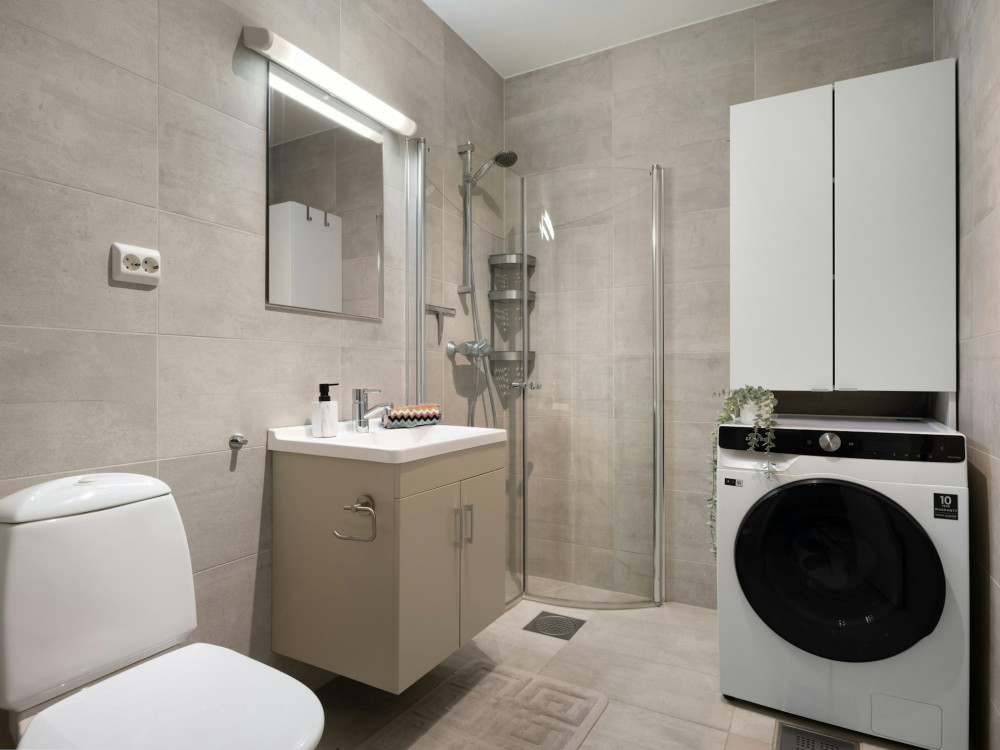
- Ensure proper ventilation in bathrooms, kitchens, and laundry areas where moisture is generated.
- Maintain a steady indoor temperature – large temperature swings can cause condensation on cold surfaces.
- Inspect windows and walls for condensation or dark spots, which may indicate excess moisture.
Læs også:


Combine Your Heat Pump with Good Ventilation
Even the best heat pump can’t create a healthy indoor climate on its own. It needs to work together with proper ventilation. A balanced ventilation system with heat recovery can be a great investment, as it replaces stale air while retaining heat energy, improving both comfort and efficiency.
If you don’t have mechanical ventilation, you can still improve air quality by airing out rooms regularly and keeping interior doors open to allow air to circulate freely.
A Healthy Home Is an Energy-Efficient Home
When humidity is balanced, the air feels more comfortable, and you can often lower the thermostat slightly without feeling colder. That means lower energy bills and less strain on your heat pump.
A healthy indoor climate isn’t just about comfort – it’s also a key part of an energy-efficient home. With the right use of your heat pump, regular ventilation, and attention to humidity, you can create a living environment that’s comfortable, healthy, and economical all year round.
Læs også: