Create Patterns in Brickwork with Creative Brick Placement

Create Patterns in Brickwork with Creative Brick Placement
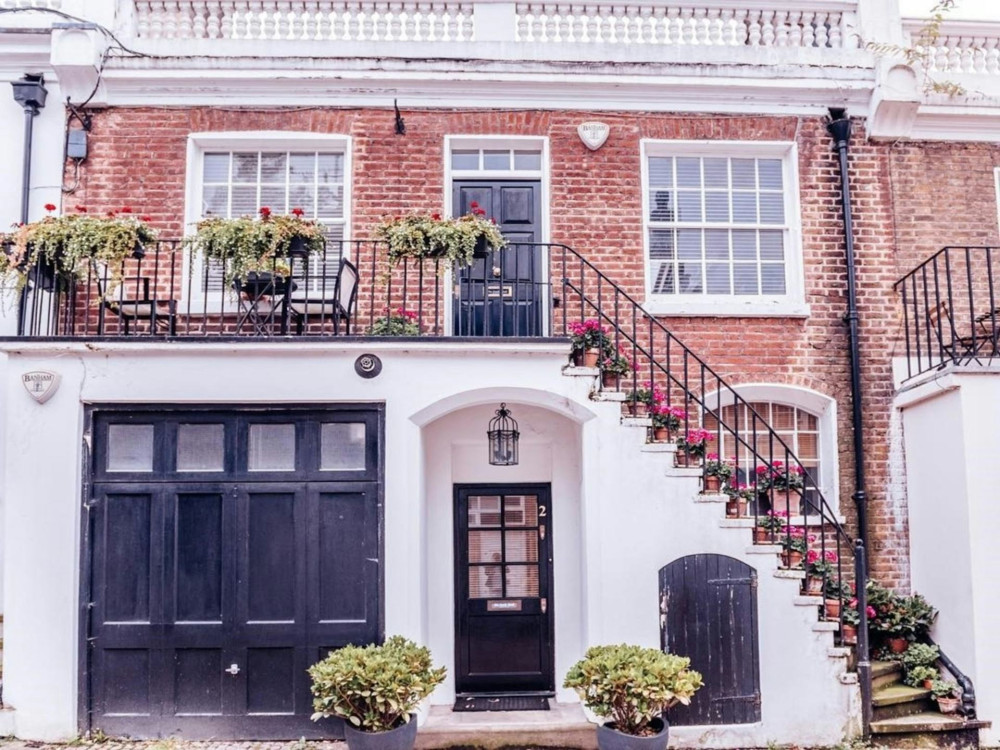
Brickwork is more than just a structural element—it’s a design feature that can give your home or building character and personality. By experimenting with patterns, colors, and brick placement, you can create facades that are both durable and visually striking. Whether you’re building new, remodeling, or adding a decorative accent, creative brick placement can make a lasting impression.
Classic Brick Patterns
Most people are familiar with the traditional brick bonds—the patterns in which bricks are laid. Each bond has its own rhythm and visual effect.
- Running Bond – The most common pattern, where each brick is offset by half its length from the row below. It creates a balanced, timeless look and is often used in residential walls.
- Flemish Bond – Alternates stretchers (the long side of the brick) and headers (the short end) in each row, producing a refined, traditional appearance often seen in historic buildings.
- English Bond – Alternates entire rows of stretchers and headers, giving a strong, classic look that’s ideal for load-bearing walls.
- Stack Bond – Bricks are stacked directly on top of each other, forming clean vertical and horizontal lines. It’s a modern, geometric pattern that requires precision and is often used for decorative facades.
Choosing the right bond depends on both aesthetics and function. Some patterns are better suited for structural strength, while others are purely decorative.
Add Depth with Color and Texture
Bricks come in a wide range of colors—from warm reds and browns to cool grays and deep charcoals. Mixing different shades can create subtle transitions or bold contrasts.
Consider using handmade or tumbled bricks, which have slight variations in texture and color. These imperfections add depth and character, especially when sunlight plays across the surface throughout the day.
Mortar color and joint style also have a big impact. A recessed joint emphasizes the shape of each brick, while a flush or raised joint gives a more solid, uniform look. Contrasting mortar—such as light mortar with dark bricks—can highlight the pattern and make the design stand out.
Play with Depth and Relief
Brickwork doesn’t have to be flat. By allowing certain bricks to project or recede slightly, you can create a three-dimensional pattern that catches light and shadow. This technique, known as relief brickwork, adds texture and visual interest.
You might:
- Let every third row project slightly to create a subtle shadow line.
- Form geometric shapes or bands by varying the depth of certain bricks.
- Frame windows or doors with offset bricks for a custom architectural detail.
When designing relief brickwork, plan carefully to avoid water traps and ensure structural integrity. Proper detailing and craftsmanship are key to both beauty and durability.
Blending Traditional and Modern Styles
Contemporary architecture often combines classic masonry techniques with modern design. A traditional Flemish bond, for example, can be used on a sleek, minimalist building to create a striking contrast between old and new.
In renovation projects, patterned brickwork can help bridge the gap between historic and modern sections of a building. Using a distinctive bond or color variation can highlight transitions while respecting the original structure.
Læs også:
Planning and Execution
While creative brickwork invites experimentation, it also requires careful planning. Sketch your pattern in advance, or build a small sample wall to see how it looks in real life. Even small adjustments in alignment or color can have a big visual impact.
If you’re not an experienced mason, consider working with a professional who specializes in decorative or patterned brickwork. Their expertise ensures that your design not only looks great but also stands the test of time.
A Personal Touch in Brick
Brick is one of the most enduring building materials—and one of the most expressive. With thoughtful design and creative placement, you can turn a simple wall into a work of art. Whether you choose a classic bond or a bold modern relief, it’s the details that make your brickwork truly unique.
Læs også: