See the Potential: How to Assess Your Home’s Future Possibilities

See the Potential: How to Assess Your Home’s Future Possibilities
When you look at your home, you probably see what’s right in front of you — the rooms, the yard, the neighborhood. But behind what’s already there often lies untapped potential. Maybe your house could be expanded, made more energy-efficient, or reconfigured to better fit your lifestyle. Assessing your home’s future possibilities is about looking beyond the present and thinking strategically about growth and improvement. Here’s how to get started.
Understand Your Home’s Starting Point
Before you can plan for what’s possible, you need a clear picture of your home’s current condition and limitations — both physical and legal.
- Structural condition: Consider hiring a licensed home inspector or contractor to evaluate the property. This will help you identify maintenance needs and areas where upgrades could add value.
- Zoning and building codes: Check your city or county’s zoning regulations. Rules about setbacks, height limits, and lot coverage can affect what you’re allowed to build.
- Energy performance: Review your utility bills or request an energy audit. Understanding where your home loses energy can reveal opportunities for cost savings and comfort improvements.
Once you know your home’s baseline, it becomes easier to see where the potential lies.
Læs også:

Think About Function and Life Stages
A home should evolve with your life. Maybe you have young children now, but in ten years your needs will be very different. Consider how your home can adapt over time.
- Could a child’s bedroom later become a home office or guest room?
- Is there space to create a separate suite for an aging parent or for rental income?
- Could you reconfigure the main floor to make it accessible as you age?
Designing with flexibility in mind makes your home more livable now and more appealing to future buyers.
Make Better Use of Existing Space
Unlocking potential doesn’t always mean adding square footage. Sometimes it’s about using what you already have more effectively.
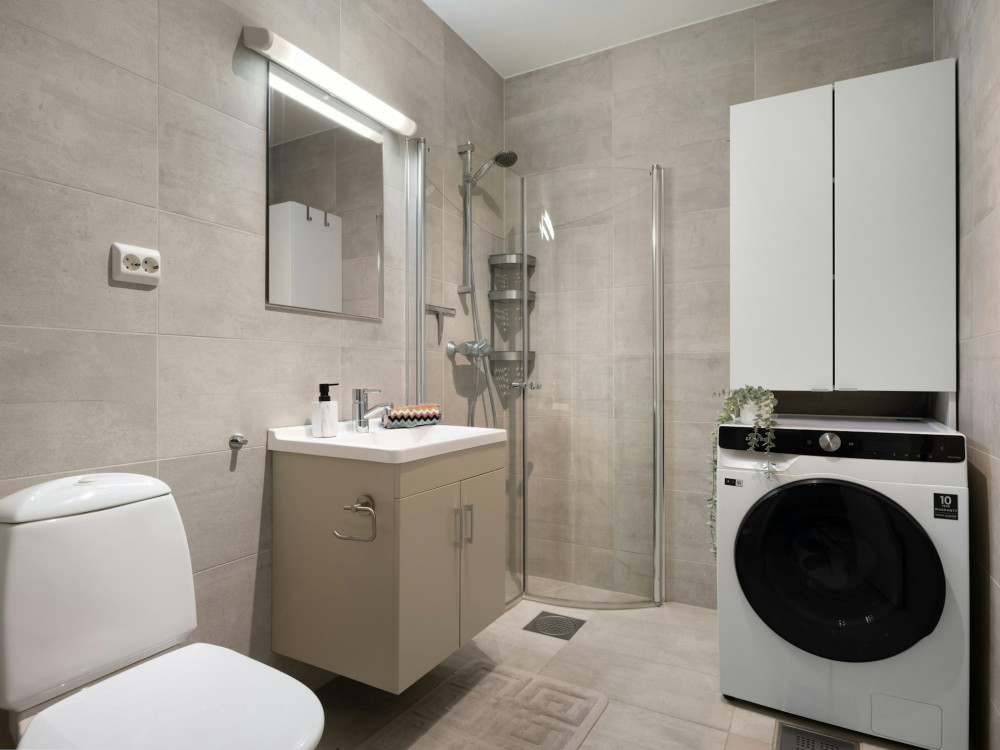
- Basement and attic: A dry basement can become a family room, gym, or laundry area. An insulated attic can add valuable living space.
- Layout: Removing a non-load-bearing wall or widening a doorway can open up light and flow.
- Outdoor areas: A deck, screened porch, or covered patio can extend your living space and increase enjoyment throughout the year.
Small changes can make a big difference in how your home feels and functions.
Energy Upgrades as Smart Investments
Energy improvements benefit both the environment and your wallet. They can also boost your home’s resale value.
- Replacing old windows and doors can significantly reduce heat loss.
- Adding insulation to the attic or exterior walls improves comfort and efficiency.
- Installing solar panels or a heat pump can lower utility costs and make your home more self-sufficient.
Check for federal or state tax credits, rebates, and local utility incentives that can help offset the cost of these upgrades.
Consider the Neighborhood’s Future
Your home’s potential isn’t just about the building itself — it’s also about what’s happening around it. Research how your area is expected to develop.
- Are there plans for new schools, parks, or transit options that could increase property values?
- How have home prices in your neighborhood changed over the past few years?
- Are there demographic trends — such as more families or retirees moving in — that could influence demand?
Understanding the broader context helps you decide whether major improvements are a smart investment.
Get Professional Guidance
While you can do a lot of research on your own, professional advice can save time and money. An architect, contractor, or real estate agent can help you see what’s feasible — and what’s worth it.
An architect can suggest creative ways to reimagine your layout, while a real estate agent can estimate how renovations might affect your home’s market value. Together, they can help you make informed, strategic decisions.
See the Potential — and Plan in Phases
You don’t have to tackle every improvement at once. Create a phased plan that prioritizes projects with the greatest impact first. Think long-term, so each step fits into a cohesive vision for your home’s future.
By approaching your home with an eye for potential, you can gradually transform it — enhancing both your quality of life and your investment over time.
Læs også: