New Furniture, New Surroundings: Plan Your Investments When Relocating Your Business


New Furniture, New Surroundings: Plan Your Investments When Relocating Your Business
Relocating a business is more than a logistical challenge—it’s an opportunity to rethink your company’s physical environment, strengthen workplace culture, and invest in the future. A new space often comes with new needs, and it can be tempting to buy everything fresh at once. But a well-planned approach to furniture, design, and equipment investments can make the difference between an expensive move and a strategic upgrade.
Here’s how to plan your investments so your relocation becomes a launchpad for both productivity and employee satisfaction.
Start by Assessing Your Needs
Before ordering new desks and chairs, take a close look at what your business truly requires.
Conduct a thorough inventory of your current furnishings: What’s still in good shape, and what needs replacing? Some items may be refurbished or repurposed, while others should be replaced for ergonomic or aesthetic reasons.
Involve your employees in the process. They know which workstations, meeting rooms, and common areas function well—and which don’t. Their input leads to better decisions and a stronger sense of ownership in the new space.
Think Long-Term—Not Just About Moving Day
A business relocation is an investment meant to last for years. So, think beyond the day you move in.
Consider how your company might evolve over the next five to ten years. Will you need room for growth, hybrid work setups, or new departments? Modular furniture and flexible layouts can adapt to future changes and save money down the road.
It’s also wise to prioritize quality over quantity. Budget-friendly furniture may seem appealing during a costly move, but lower durability often means higher replacement costs later.
Create a Workplace That Inspires
A new office is a chance to design an environment that supports well-being and productivity.
Think in zones: quiet areas for focus, open spaces for collaboration, and comfortable lounges for breaks. Lighting, acoustics, and color schemes all influence how people feel and perform.
Invest in ergonomic furniture—not just for comfort, but to reduce the risk of injuries and absenteeism. A healthy, well-designed workspace is an investment in your team’s well-being and your company’s efficiency.
Budget and Prioritize
Even with the best intentions, costs can escalate quickly. That’s why it’s essential to set clear priorities.
Divide your investments into three categories:
- Essential – items you need to operate from day one (e.g., desks, chairs, IT equipment).
- Important – elements that enhance comfort and efficiency (e.g., meeting room furniture, lighting, storage).
- Nice-to-have – features you can add later when the budget allows (e.g., artwork, lounge furniture, greenery).
This structure helps you stay on budget while ensuring that the most critical needs are met first.
Consider Sustainable Options
Many U.S. businesses are using relocation as an opportunity to go greener.
Reusing existing furniture, purchasing high-quality secondhand pieces, or choosing suppliers that use sustainable materials can reduce your environmental footprint and demonstrate corporate responsibility.
Some manufacturers even offer leasing or take-back programs, allowing you to return or recycle furniture when it no longer fits your needs.
Læs også:

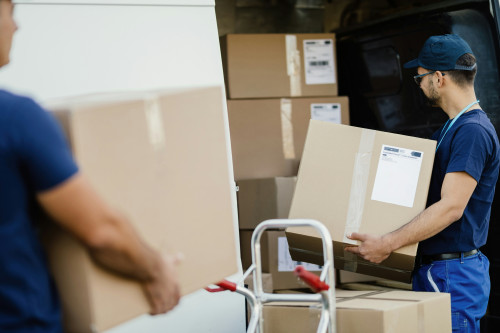

Bring in Professionals When It Makes Sense
While much can be handled internally, professional help can be a smart investment.
An interior designer can help you make the most of your space and create a cohesive look. A move coordinator can ensure timelines are met and equipment arrives safely. Though these services add to the budget, they can save time, stress, and costly mistakes.
New Space, New Energy
A business relocation is the perfect moment to reimagine your company’s identity and culture. New furniture and surroundings can bring renewed energy, strengthen collaboration, and foster pride in the workplace.
With a thoughtful investment plan, your move becomes more than a practical necessity—it becomes a strategic opportunity to create a better place to work, now and for years to come.
Læs også: