Comfortable Transportation for Your Pet – Here’s How

Comfortable Transportation for Your Pet – Here’s How
Taking your pet on a trip—whether it’s to the vet, on vacation, or to visit family—requires planning and care. Animals react differently to travel, and their comfort and safety depend on how well you prepare. With the right approach, you can make the journey pleasant for both your pet and yourself. Here’s a guide to help you transport your furry (or feathered) friend safely and comfortably, no matter the distance.
Preparation Is Key
Before you even start the car or head to the airport, it’s important to get your pet ready for travel. Animals that aren’t used to being transported can become anxious due to unfamiliar sounds, smells, and movements.
- Practice gradually – Let your pet get used to the carrier or car in short sessions. Allow them to explore it at home and reward them with treats.
- Make the carrier cozy – Add a soft blanket or an item with your scent to help your pet feel secure.
- Plan your route – Avoid unnecessary stops and long waits, especially if your pet tends to get restless.
The more predictable the experience, the calmer your pet will be during the trip.
Traveling by Car – Safety and Comfort
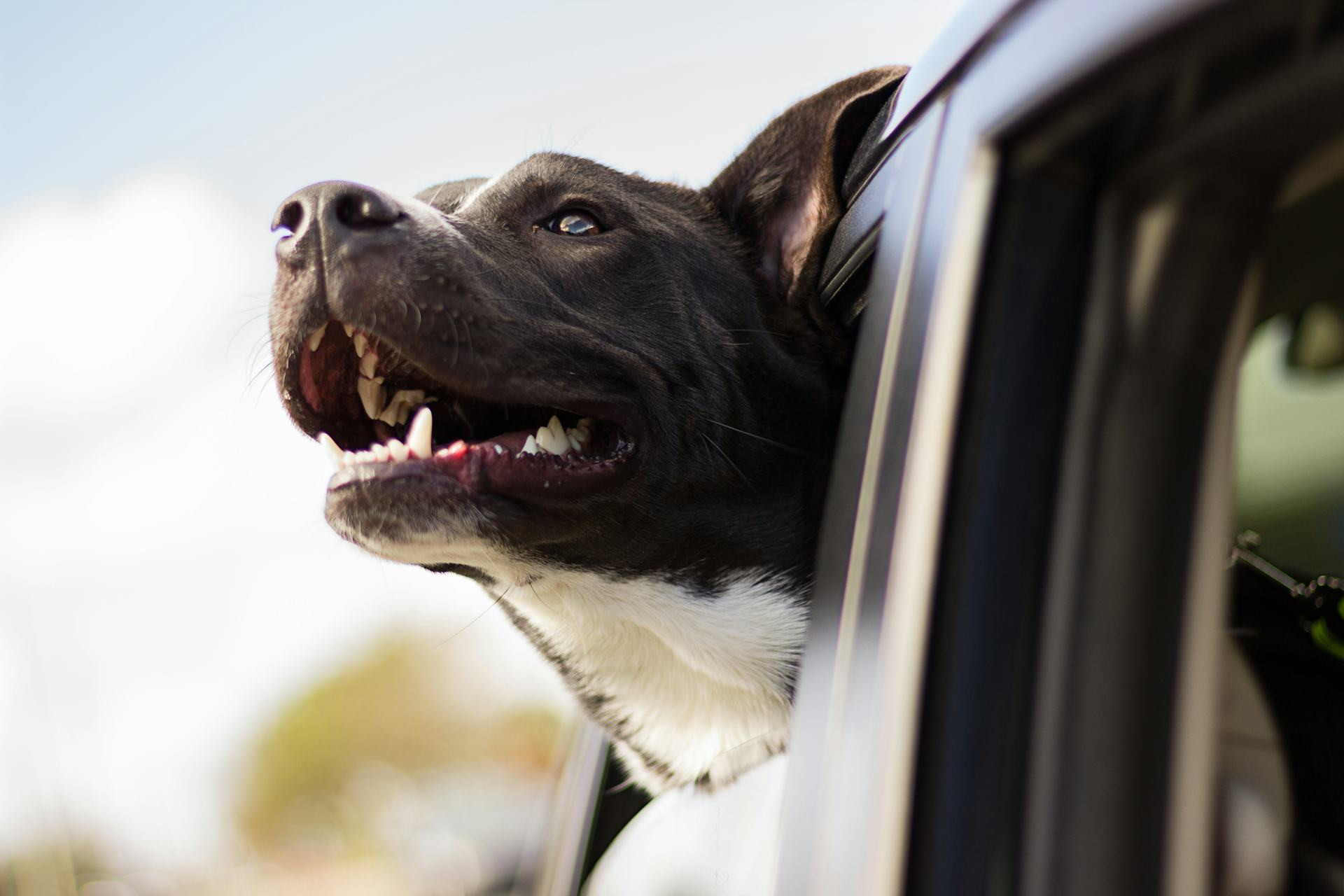
For most Americans, the car is the go-to mode of transportation for pets. However, it’s also where many safety mistakes happen. A loose pet can distract the driver or get injured in sudden stops.
- Use approved restraints – Small pets should travel in a secured carrier, while larger dogs should wear a crash-tested harness or ride in a crate. This protects both the pet and passengers.
- Keep the temperature comfortable – Pets are sensitive to heat. Ensure good ventilation and never leave your pet alone in a parked car, even for a few minutes.
- Plan for breaks – On longer drives, stop every few hours so dogs can stretch, relieve themselves, and drink water. Cats and small animals should stay in the car, but you can offer them water inside their carrier.
A calm environment—no loud music or sudden movements—makes the ride smoother for everyone.
Traveling by Train, Bus, or Plane
Public transportation comes with its own set of rules, and they vary depending on the company and the type of pet.
- Trains and buses – Many U.S. train and bus services allow small pets in carriers, sometimes for a small fee. Larger dogs may need a ticket and must be leashed and well-behaved. Always check the company’s pet policy before you go.
- Air travel – Contact the airline well in advance. Some allow small pets in the cabin, while larger ones must travel in the cargo hold. Make sure your carrier meets airline requirements and that your pet has access to water.
- Calming options – If your pet gets very anxious, talk to your veterinarian. They can advise on safe calming methods or medications if necessary.
No matter how you travel, your pet’s safety and well-being should always come first.
Special Considerations for Different Pets
Each type of pet has unique needs, and understanding them helps ensure a smoother trip.
- Cats feel safest in enclosed carriers where they can hide. Covering the carrier with a light blanket can help reduce stress.
- Dogs need fresh air and movement but must still be secured. Make sure they can’t jump out when doors open.
- Small animals like rabbits, guinea pigs, and birds are sensitive to drafts and temperature changes. Keep their cages stable and out of direct sunlight.
- Reptiles and fish require special conditions such as heat sources or oxygenation. Plan carefully if you need to move them.
Knowing your pet’s temperament and needs makes it easier to keep them calm and comfortable.
After the Trip – Rest and Familiarity
Once you arrive, your pet may be tired or unsettled. Give them time to relax in a quiet space. Provide water, food, and something that smells like home. Avoid overwhelming them with new experiences right away—especially after a long journey.
If you travel often, your pet will gradually get used to it. Patience and positive experiences are key to making travel a normal part of life.
Læs også:




A Safe and Happy Journey for You and Your Pet
Comfortable transportation isn’t just about equipment—it’s about understanding your pet’s needs. With preparation, calmness, and the right setup, even a long trip can be a positive experience. The most important thing is that your pet feels safe and secure—because when they’re comfortable, the journey is easier for both of you.
Læs også: