Aromatherapy in the Bedroom – Create Sensual Balance Without Overdoing It

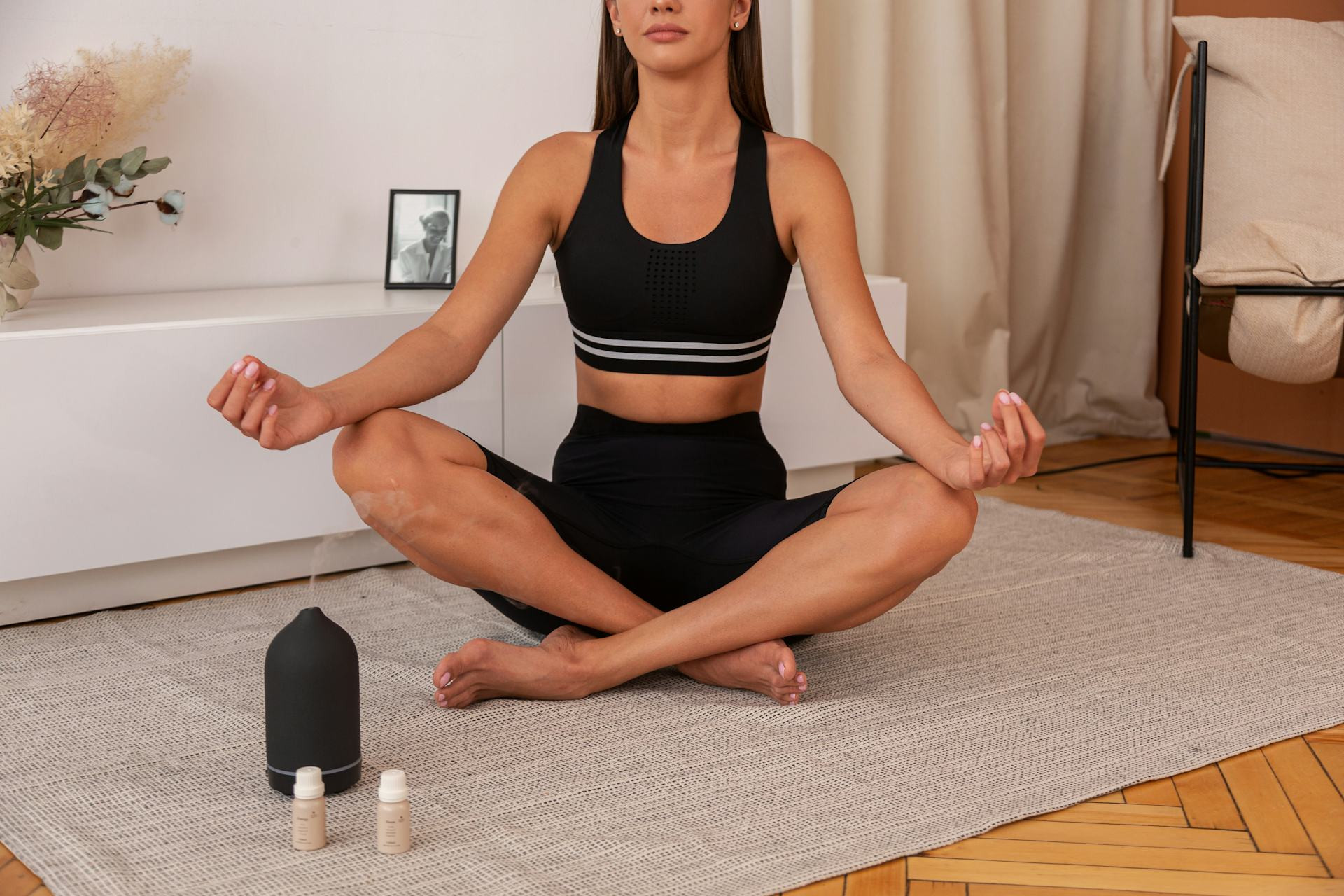
Aromatherapy in the Bedroom – Create Sensual Balance Without Overdoing It
The scent of lavender, citrus, or sandalwood can transform the atmosphere of a room in seconds. In the bedroom, aromatherapy offers a simple way to invite calm, intimacy, and balance—but it requires a gentle touch. Too much fragrance can feel overwhelming, while the right amount can support restful sleep and a soothing environment. Here’s how to use aromatherapy in your bedroom to create sensual harmony without going overboard.
The Power of Scent on Body and Mind
Our sense of smell is directly linked to the brain’s emotional center, which is why certain aromas can influence mood, energy, and even sleep quality. Aromatherapy uses essential oils—natural extracts from plants, flowers, and woods—to evoke specific responses. Some oils calm the mind, others uplift the spirit, and some help clear mental clutter.
In the bedroom, the goal is to create an atmosphere that encourages relaxation and connection. Consider these classic choices:
- Lavender – famous for its calming properties and ability to ease stress.
- Chamomile – a soft, sweet scent that helps the body unwind.
- Sandalwood – warm and woody, grounding the senses and adding a touch of sensuality.
- Bergamot – a bright citrus note that lifts the mood without being overly stimulating.
The key is to choose a scent that feels right to you—not just what’s popular. Your personal associations with a fragrance matter more than any general rule.
How to Use Aromatherapy in the Bedroom
There are many ways to introduce scent into your space, from quick fixes to small nightly rituals.
- Diffuser or aroma lamp – add a few drops of essential oil to water and let the scent fill the room for 15–20 minutes before bedtime.
- Linen or pillow spray – mix one drop of essential oil with water in a small spray bottle and lightly mist your bedding. Avoid soaking the fabric.
- Aroma stone or sachet – a subtle option that releases fragrance slowly over time.
- Massage oil – blend a few drops of essential oil with a neutral carrier oil, such as jojoba or sweet almond, and use it for a gentle foot or shoulder massage before bed.
Whichever method you choose, remember that less is more. A faint, barely noticeable scent is far more relaxing than a heavy, overpowering one.
Læs også:




Avoid Overuse and Irritation
Essential oils are highly concentrated plant extracts and should be used with care. Too much can cause headaches, respiratory irritation, or allergic reactions. Always start with just a few drops, and make sure your room is well ventilated.
If you share your bedroom with a partner, keep in mind that scent preferences are deeply personal. What feels soothing to one person might be distracting to another. Experiment together until you find a balance that works for both of you.
Create a Complete Sensory Experience
Aromatherapy works best as part of a holistic approach to relaxation. Combine scent with soft lighting, calming colors, and natural materials in your bedroom. A clean, uncluttered space helps your body and mind settle more easily.
You can also make scent part of your bedtime routine: turn off screens, start your diffuser, and take a few deep breaths. Over time, your body will begin to associate that fragrance with rest and renewal.
When Less Truly Is More
Aromatherapy isn’t about filling the room with fragrance—it’s about setting a mood. One thoughtfully chosen oil can do more for your sense of peace than a shelf full of bottles. Listen to your body and adjust as needed—some nights you may crave lavender’s calm, other nights bergamot’s brightness.
Used with intention and moderation, aromatherapy can turn your bedroom into a sanctuary for the senses—a place where you can unwind, reconnect, and restore balance without ever overdoing it.
Læs også: